
How to Make a Robot Serve Coffee Efficiently?
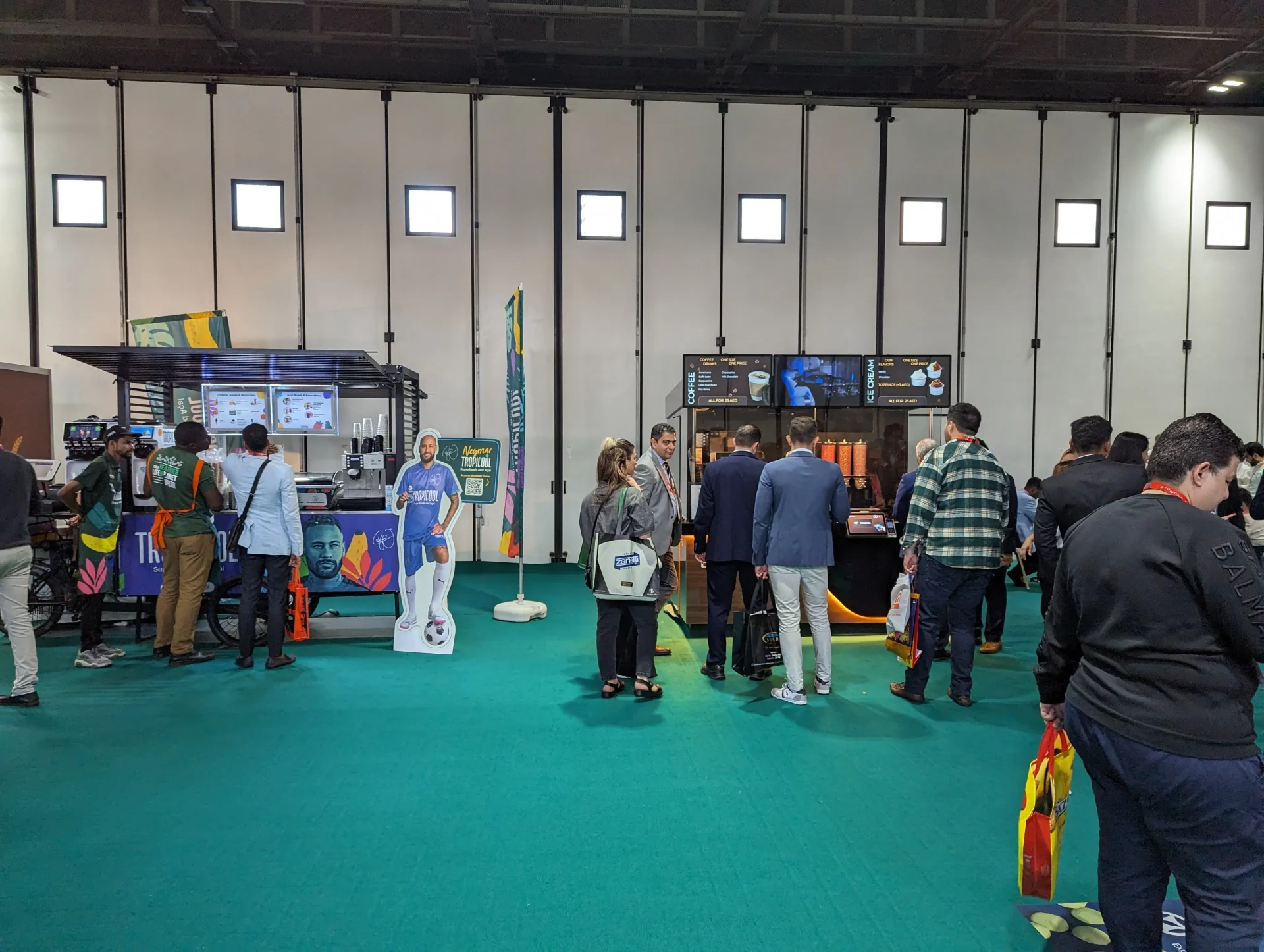
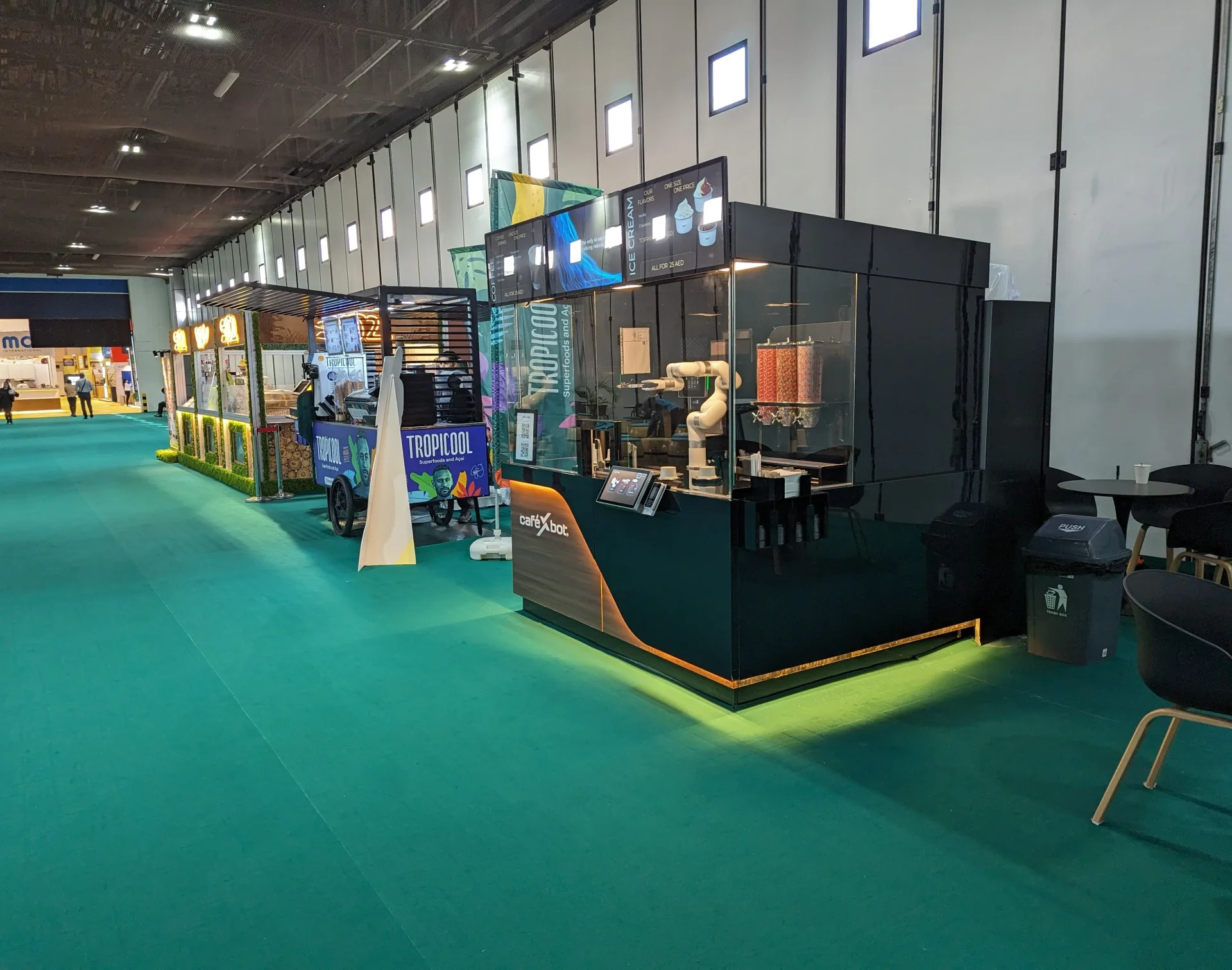
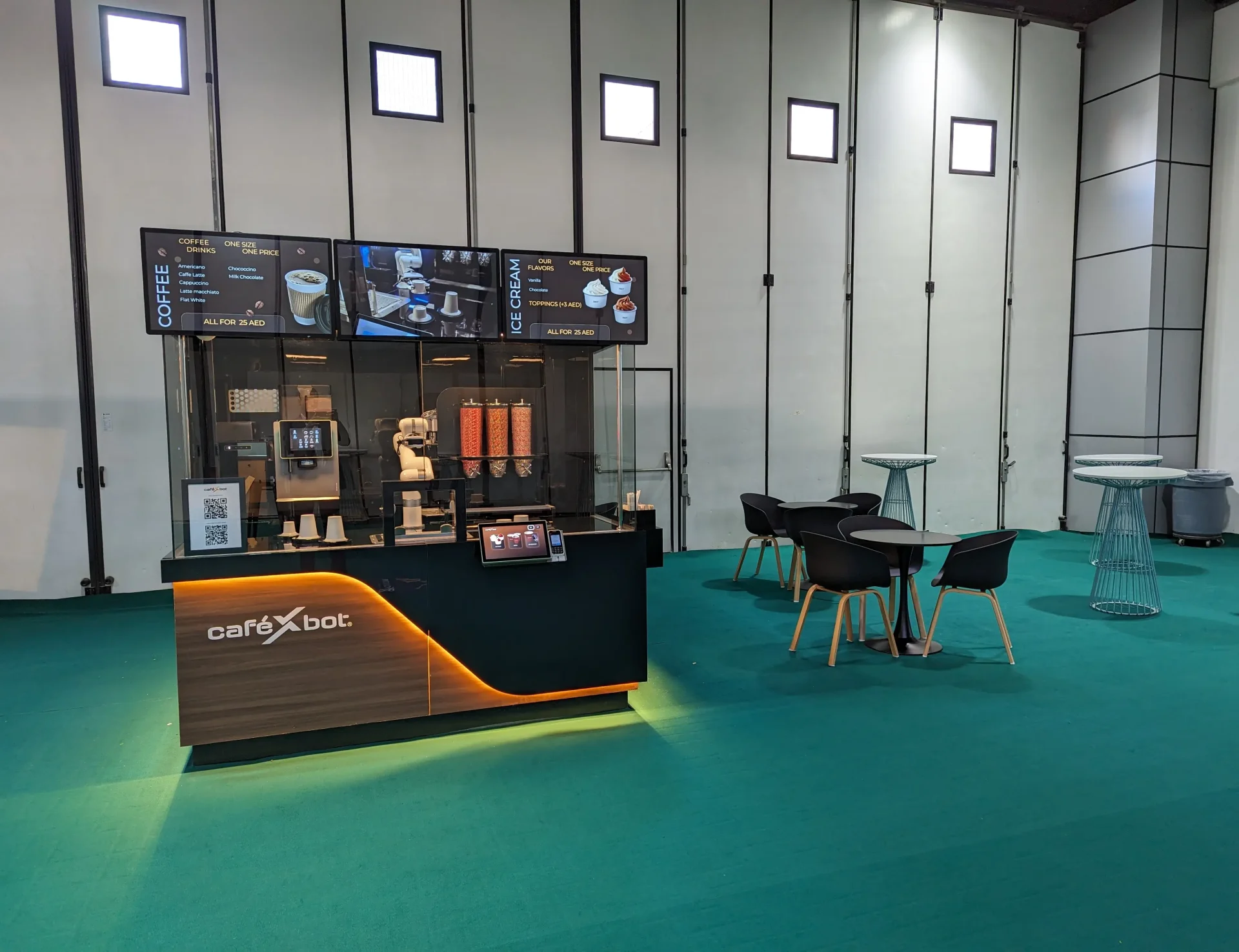
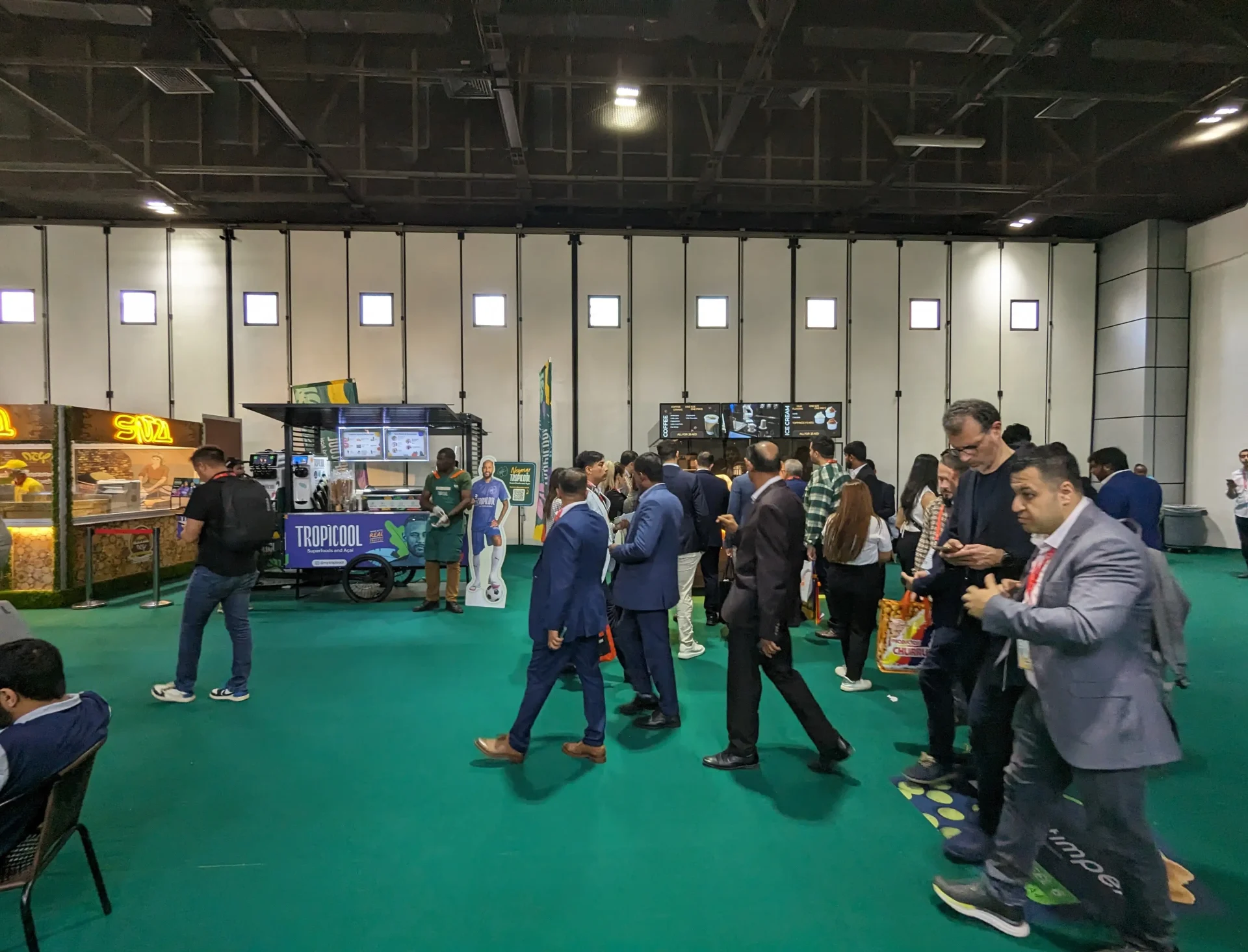
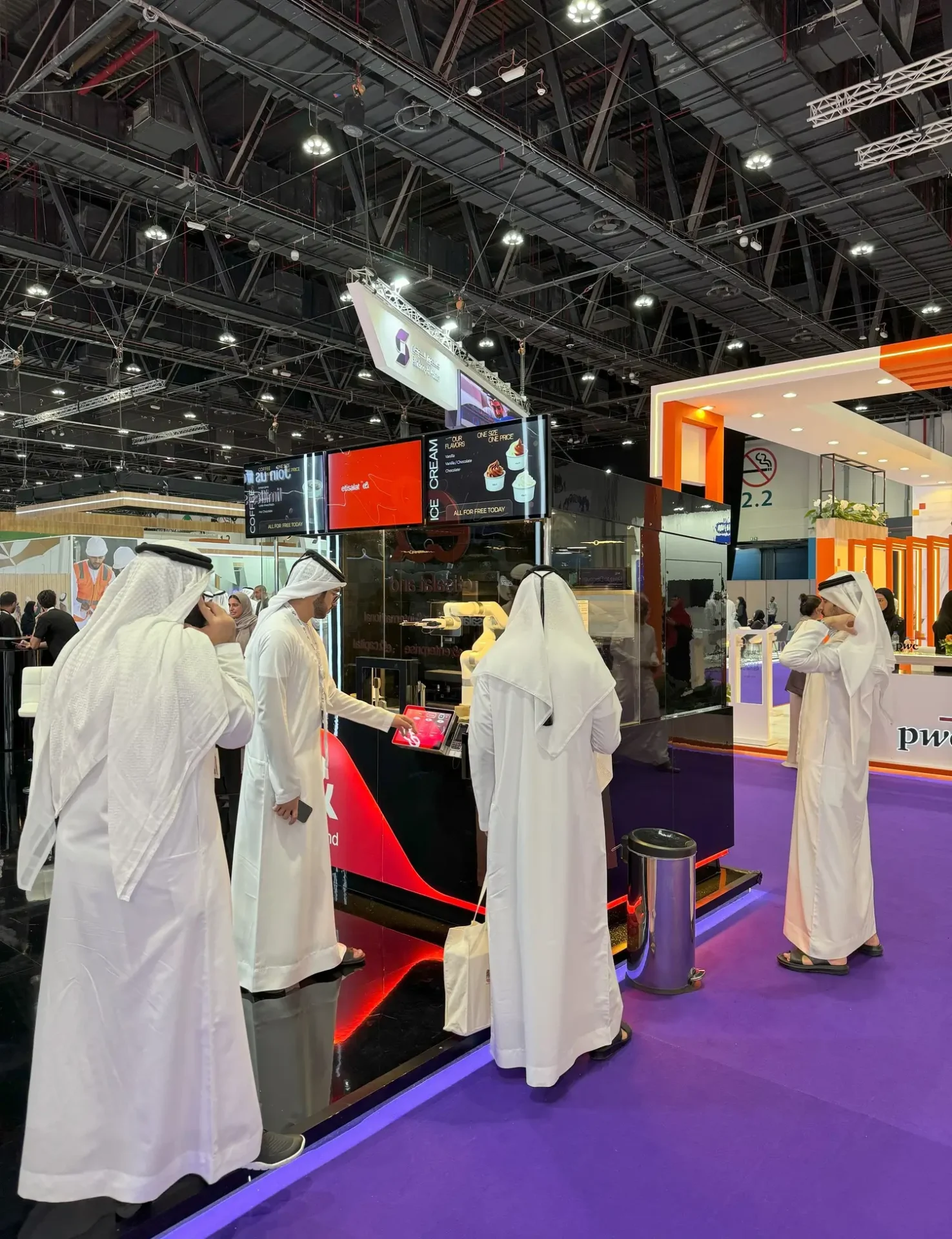
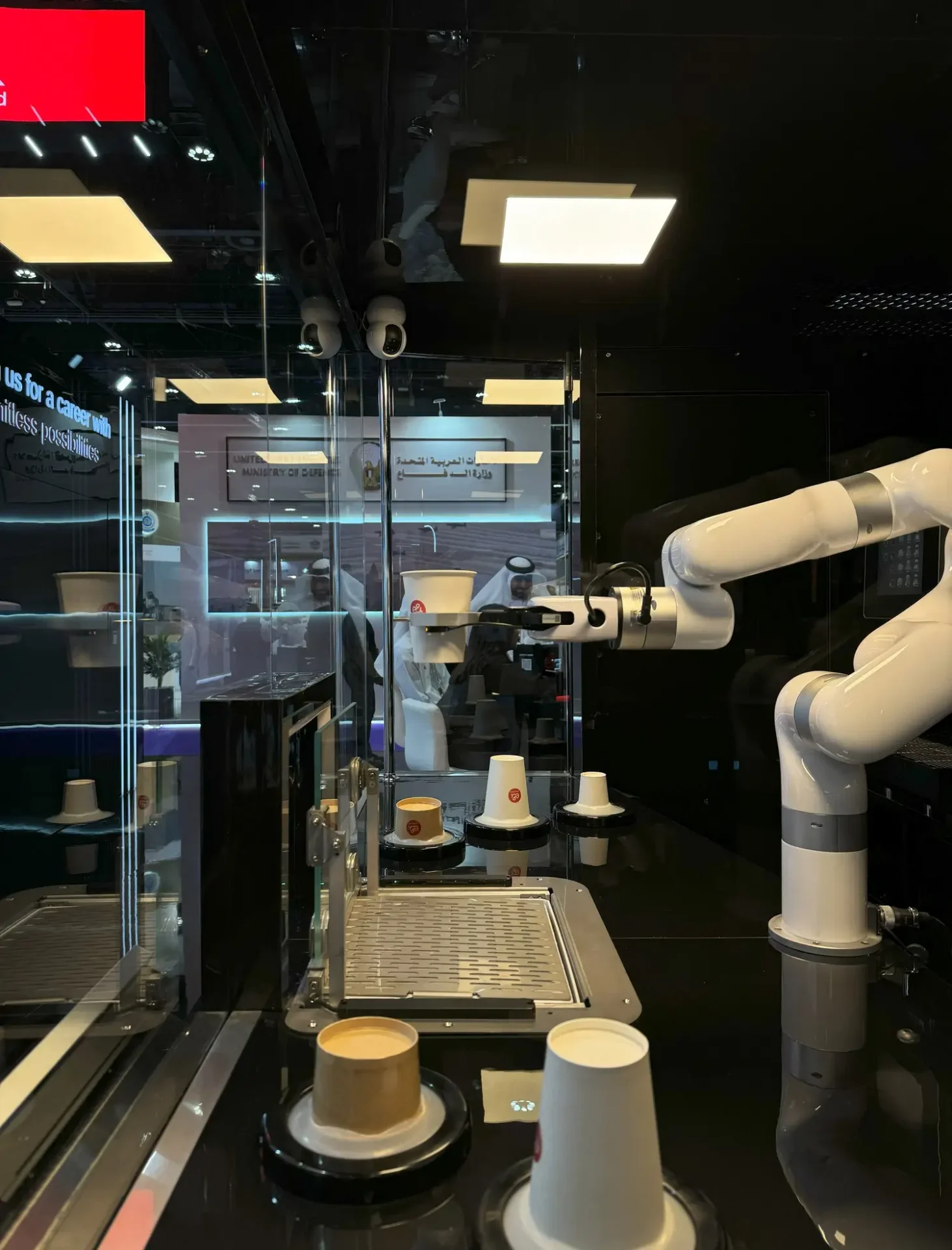
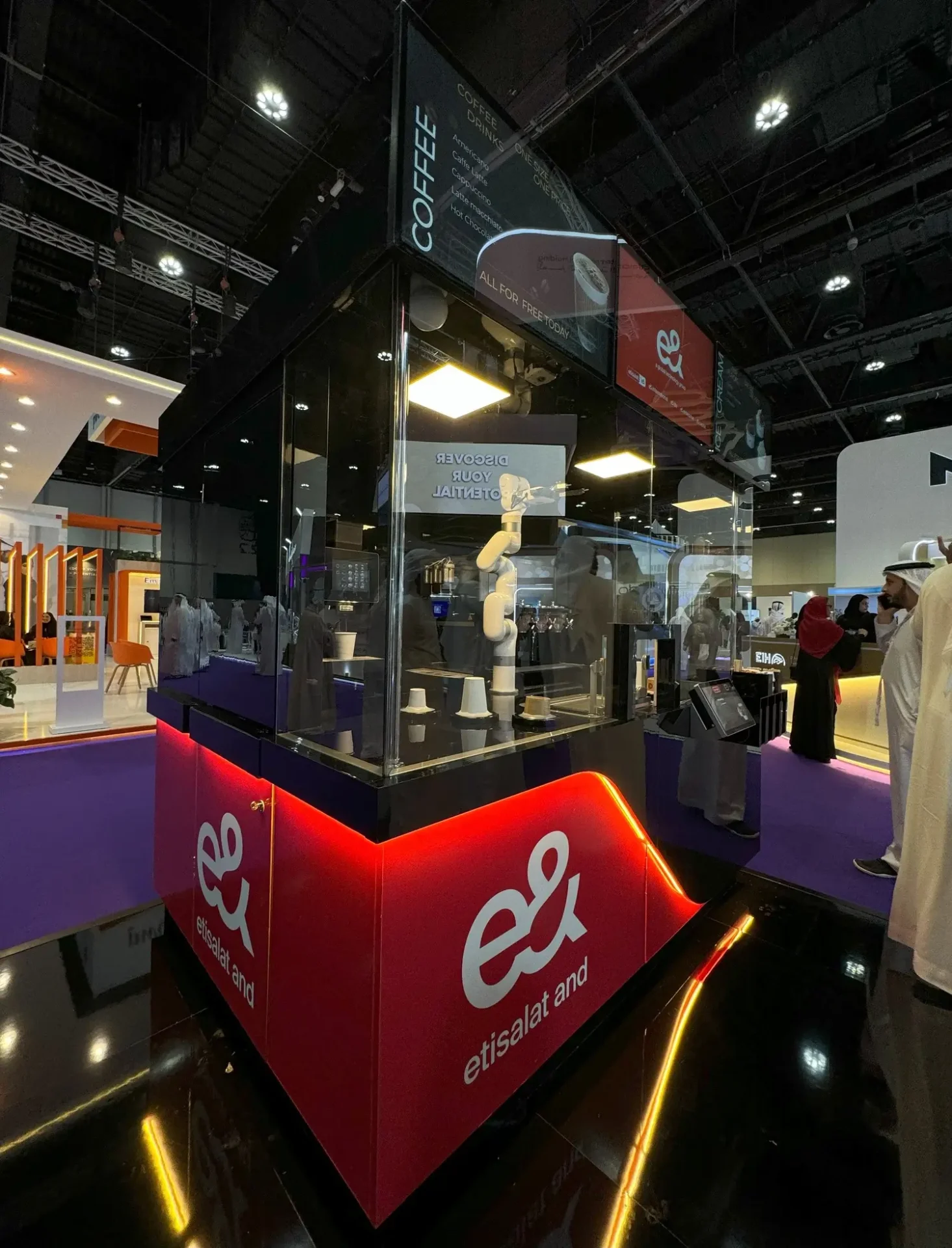
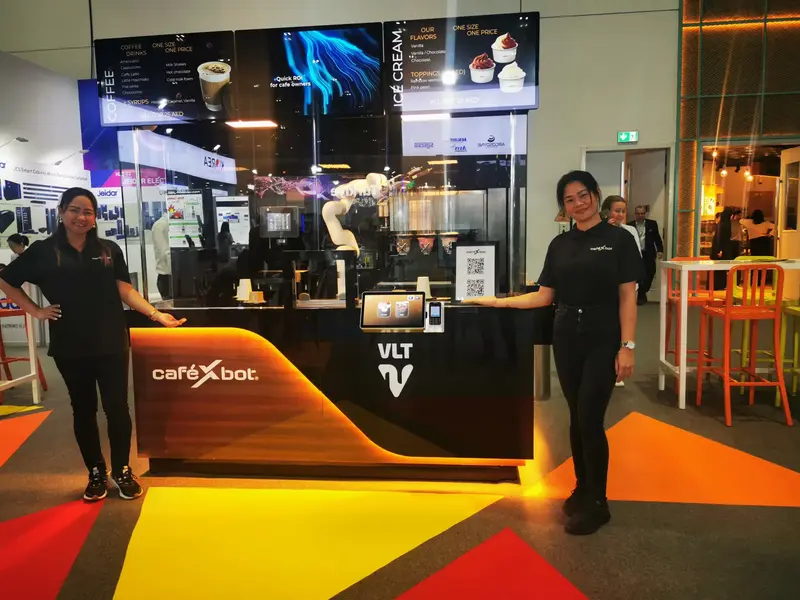
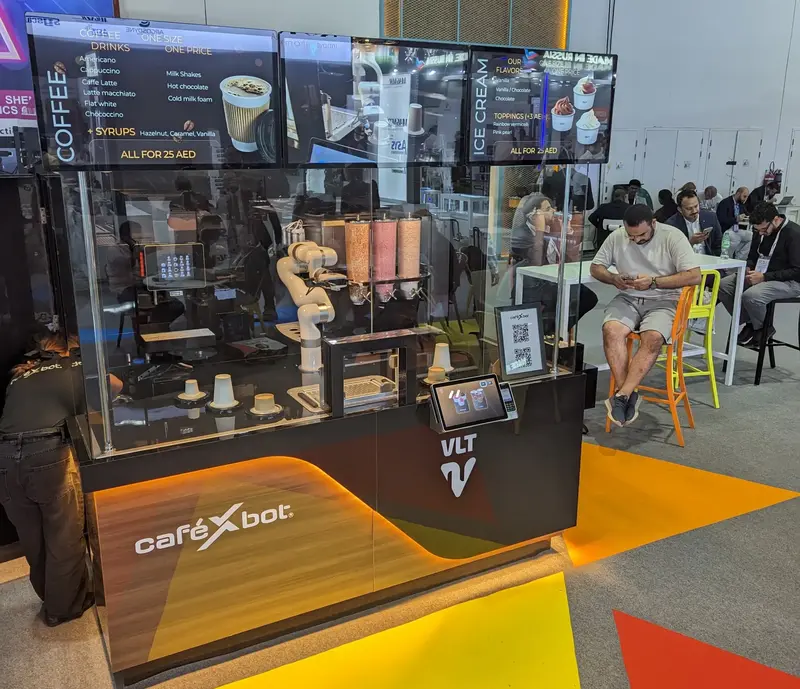
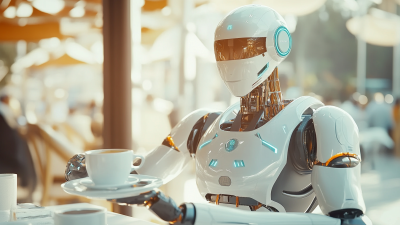
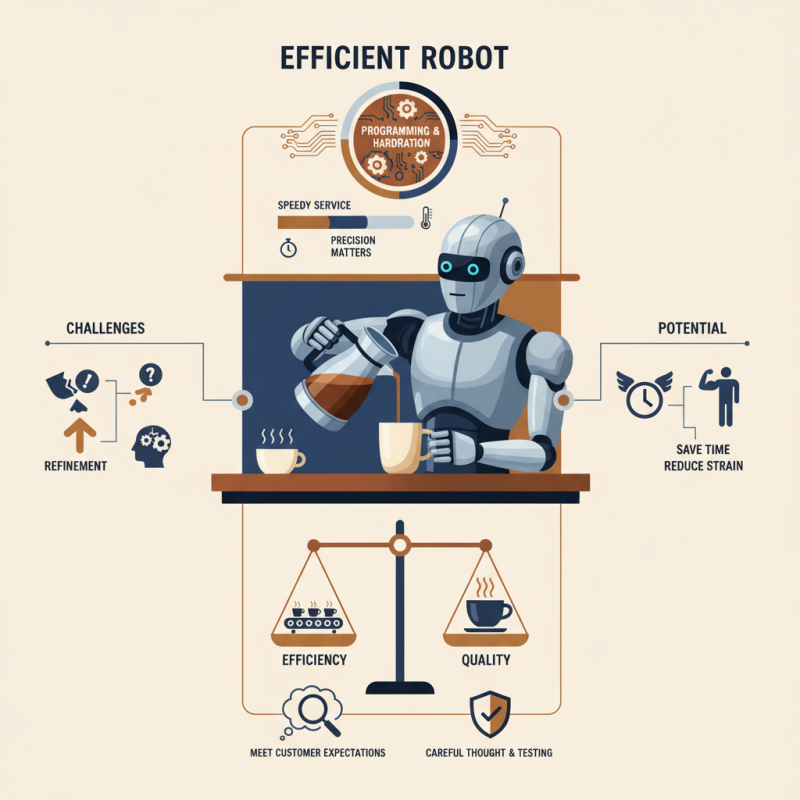
In today's fast-paced world, efficiency is key. Imagine a "Robot Serving Coffee" at your favorite café. This robotic barista could brew and serve coffee in mere minutes. Speedy service can enhance customer satisfaction. However, it's not just about speed; precision matters too. The right coffee temperature and brew strength can make or break the experience.
Yet, designing such a robot isn't straightforward. There are challenges in programming and hardware integration. Mistakes can happen, like spilling coffee or delivering the wrong order. These imperfections highlight the need for constant refinement. A robot must learn from errors to improve its service.
The potential of a coffee-serving robot is immense. It could save time during busy hours and reduce strain on human staff. However, it's essential to ensure the robot meets customer expectations. After all, coffee lovers are particular about their brew. Balancing efficiency and quality requires careful thought and testing.
Understanding the Basics of Coffee Brewing for Robots
When designing a robot to serve coffee, understanding the brewing process is crucial. Coffee extraction relies on several factors: water temperature, grind size, and brew time. These elements must be programmed into the robot’s system for optimal results. For example, water needs to be heated to about 195 to 205 degrees Fahrenheit. This precision can make or break a cup of coffee.
The grind size and timing are equally important. A coarse grind may require a longer brew time, while a fine grind needs less. If the robot miscalculates, it can lead to over-extraction or under-extraction. A well-balanced cup of coffee should avoid these pitfalls. Testing various settings maybe tedious, but it will improve the robot's performance in the long run.
Additionally, user preferences add another layer of complexity. Each person has a unique taste, whether they like a mild or strong brew. Programming the robot to adapt to different preferences is a challenge. It may not always get it right on the first try. Collecting user feedback and adjusting settings will be necessary for improvement. Each cup serves as an opportunity for the robot to learn and refine its brewing proficiency.
How to Make a Robot Serve Coffee Efficiently? - Understanding the Basics of Coffee Brewing for Robots
| Coffee Type | Water Temperature (°C) | Brew Time (min) | Coffee-to-Water Ratio | Strength Index |
|---|---|---|---|---|
| Espresso | 90-96 | 0.25 | 1:2 | 4.0 |
| French Press | 92-96 | 4 | 1:15 | 3.2 |
| Pour Over | 90-95 | 3-4 | 1:16 | 3.0 |
| Cold Brew | 7-12 | 12-24 | 1:8 | 2.5 |
| AeroPress | 85-90 | 2-3 | 1:10 | 3.5 |
Choosing the Right Equipment for an Efficient Coffee-Brewing Robot
When building a coffee-brewing robot, selecting the right equipment is crucial. Consider using a compact coffee maker to save space. A grinder is essential for fresh beans. Freshly ground coffee enhances flavor significantly.
Temperature control is important too. Consistent heating ensures that each cup is brewed perfectly. You may need a thermoregulated water reservoir. This helps maintain the ideal brewing temperature.
In addition, automation plays a key role. Sensors can monitor water levels and coffee strength. You might encounter issues with calibration, leading to inconsistency. Regular maintenance is necessary to avoid these pitfalls. The robot should be user-friendly, allowing easy adjustments. Balancing efficiency and user experience is challenging but essential.
Programming the Robot: Essential Software and Frameworks
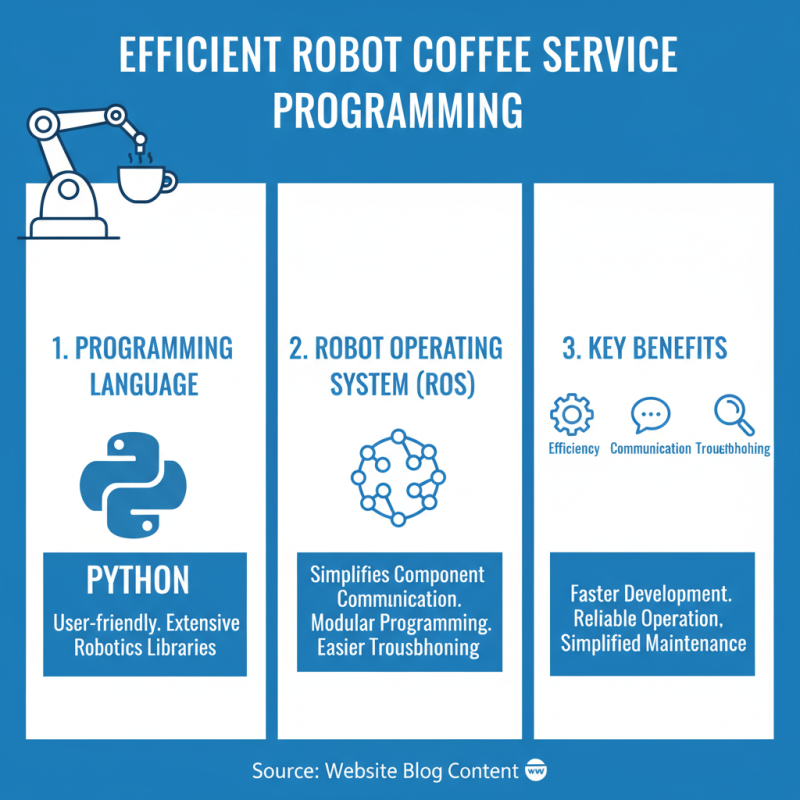
Programming a robot to serve coffee efficiently involves several key software frameworks. A robust programming language, like Python, is essential. Python is user-friendly and has great libraries for robotics. Libraries like ROS (Robot Operating System) simplify communication between components. They allow for modular programming, which makes troubleshooting easier.
Another crucial aspect is the integration of machine learning. By using algorithms, the robot can learn preferences. For instance, it could recognize who likes strong coffee versus a lighter brew. Incorporating sensors is necessary, too. They help the robot navigate and avoid obstacles. But, this can sometimes lead to errors. What if the robot bumps into a table? This is a challenge that needs attention.
Consider the user interface. It must be intuitive. Users should be able to customize their coffee settings easily. However, designing this interface can be complicated. It often leads to confusion among users. A simple button for coffee selection is not enough. Reflecting on user feedback is crucial here. It helps refine the system for better performance.
Optimizing Workflow: Steps for Quick and Accurate Service
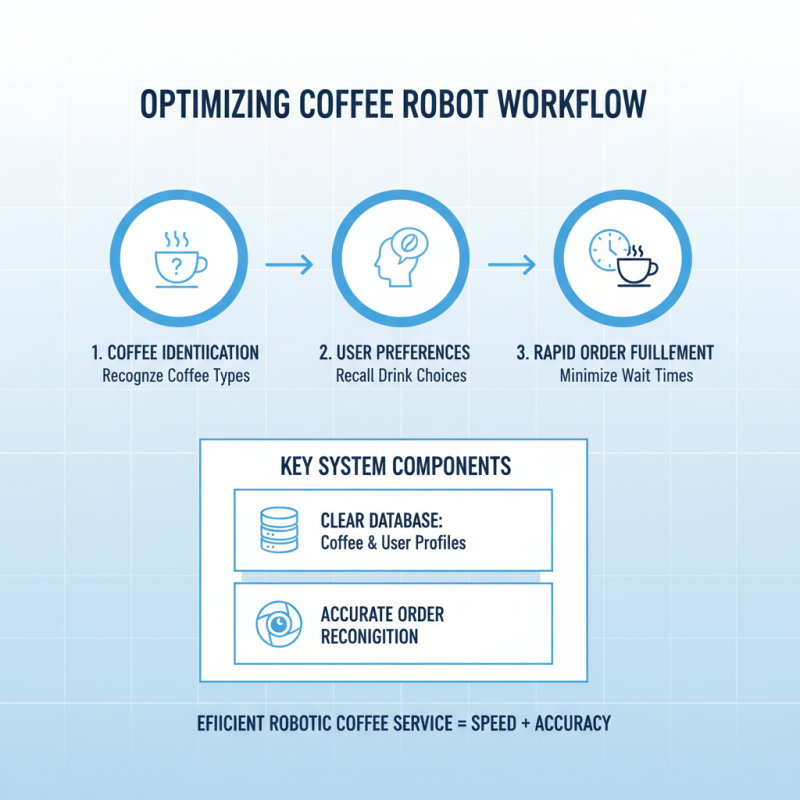
To optimize the workflow of a coffee-serving robot, attention to detail is crucial. The robot must identify the different types of coffee and the preferences of users. Setting up a clear database helps retrieve this information swiftly. An ideal robotic system should recognize coffee orders promptly. This accuracy leads to minimal wait times.
Tips: Regularly update the database with user feedback. It helps refine preferences. Always test the robot's response times. Slow responses could frustrate users. Revisit the layout of the coffee station. A chaotic setup will impede efficiency.
Finding the right balance in automation is challenging. Overly complicated algorithms may slow down service. User interaction can also become awkward. Making the experience enjoyable is just as important. Therefore, ensure the robot can communicate effectively with users. This will help reduce misunderstandings in orders. Additionally, the robot should have a fallback mechanism for when it encounters errors. Building in these checks can enhance service reliability.
Testing and Troubleshooting: Ensuring Reliability in Coffee Service
Testing and troubleshooting are crucial for ensuring a robot can serve coffee efficiently. The coffee service industry is evolving, with automation at its forefront. According to a recent report from the National Coffee Association, 58% of coffee drinkers prefer convenience in their service. This makes it essential for robotic systems to operate reliably and consistently.
A well-calibrated robot must navigate various environments. For instance, coffee machines need precise temperatures and timing. If the robot delivers cold coffee, this leads to unhappy customers. Regular testing can identify such failures. In one study, 30% of robotic failures were linked to sensor misalignment. Frequent checks can reduce these errors.
Additionally, user feedback plays a vital role. Robots must adapt to different preferences. Consumer tastes change. Data shows that 65% of users appreciate customization options in their coffee. Without adequate troubleshooting mechanisms in place, the robot may not meet these expectations. Continual refinement is necessary for success. Relying solely on technology without addressing user needs results in missed opportunities. Regular iterations based on testing outcomes create a better user experience.
Related Posts
-
Explore the Future of Beverage Service with Innovative Robot Serving Coffee at Canton Fair 2025
-
Emerging Trends in 2025 for Coffee Lovers How to Harness Robot Coffee Machines
-
Exploring the Future of Coffee Service with Innovative Robotics Solutions
-
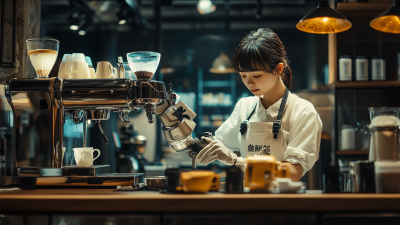
Unlocking the Future: Mastering the Art of the Robotic Coffee Bar Experience
-
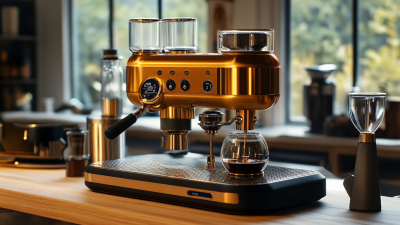
Innovative Solutions Beyond Traditional Coffee Makers with Robot Coffee Machine
-
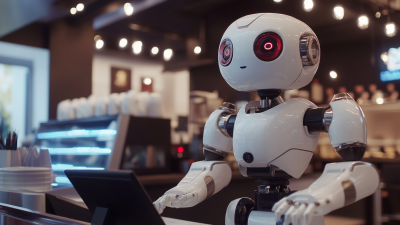
Innovative Robotic Cafe Models from China Revolutionizing Global Market with Quality Excellence