Why Are Robot Cafes a Smart Global Investment?
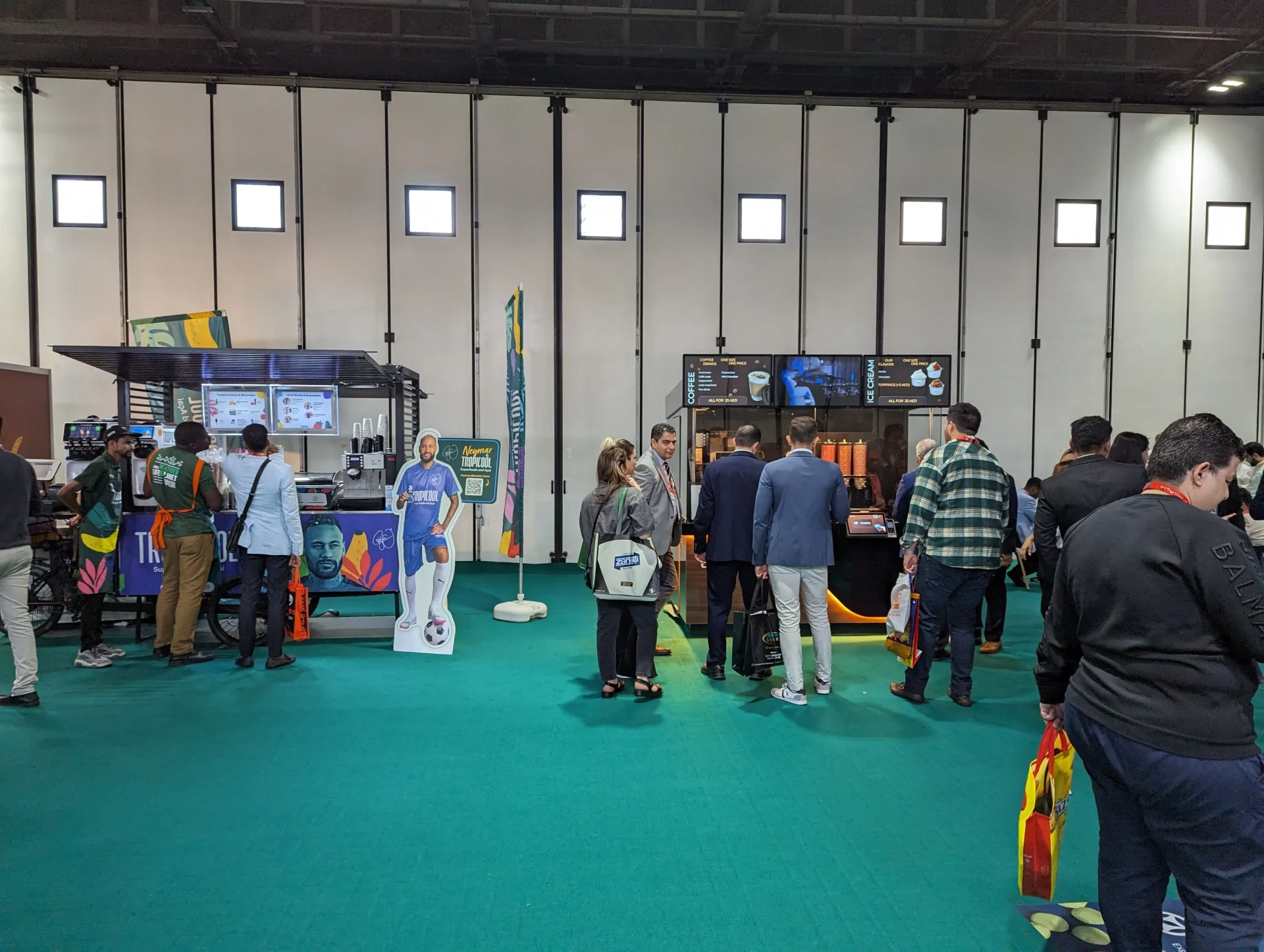
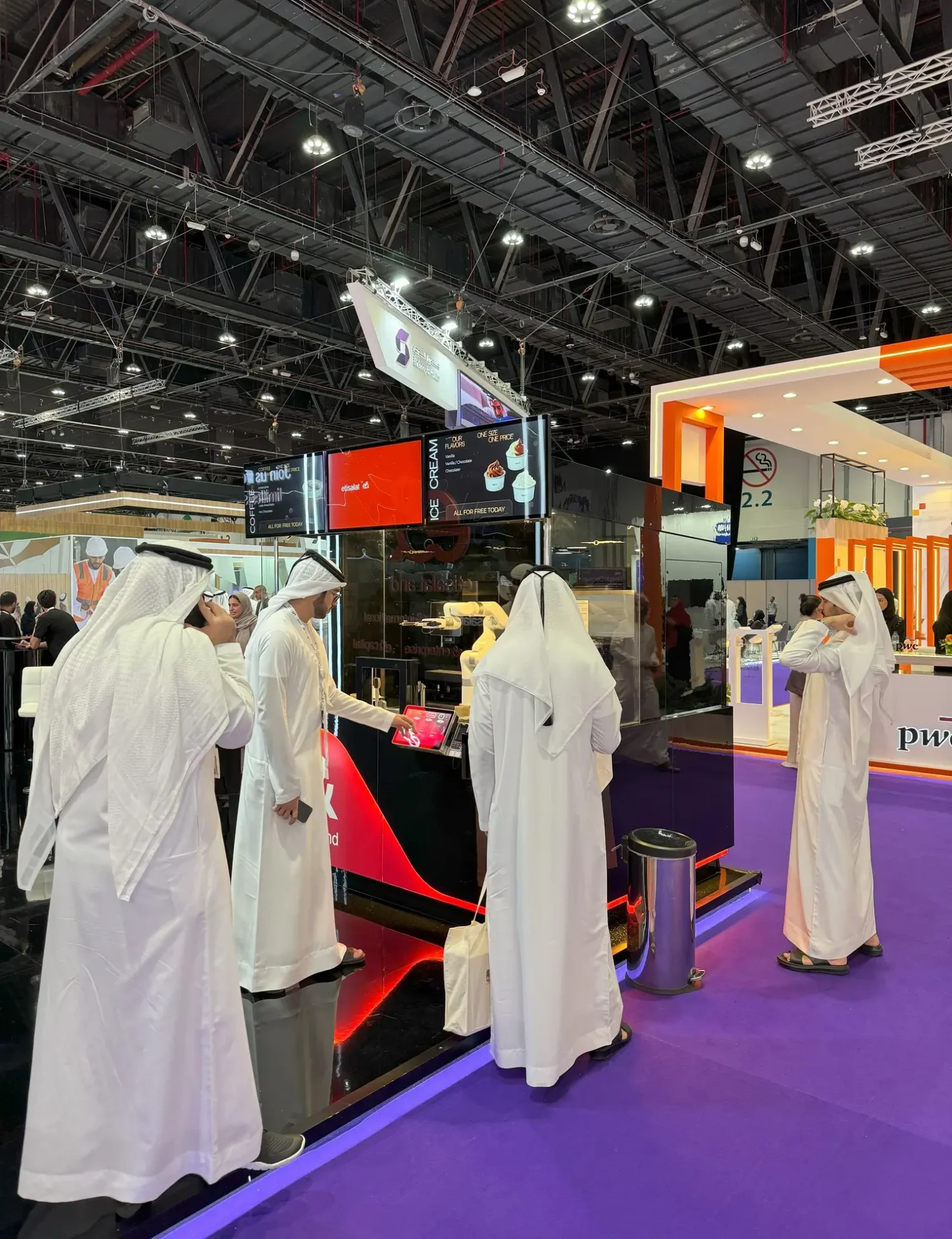
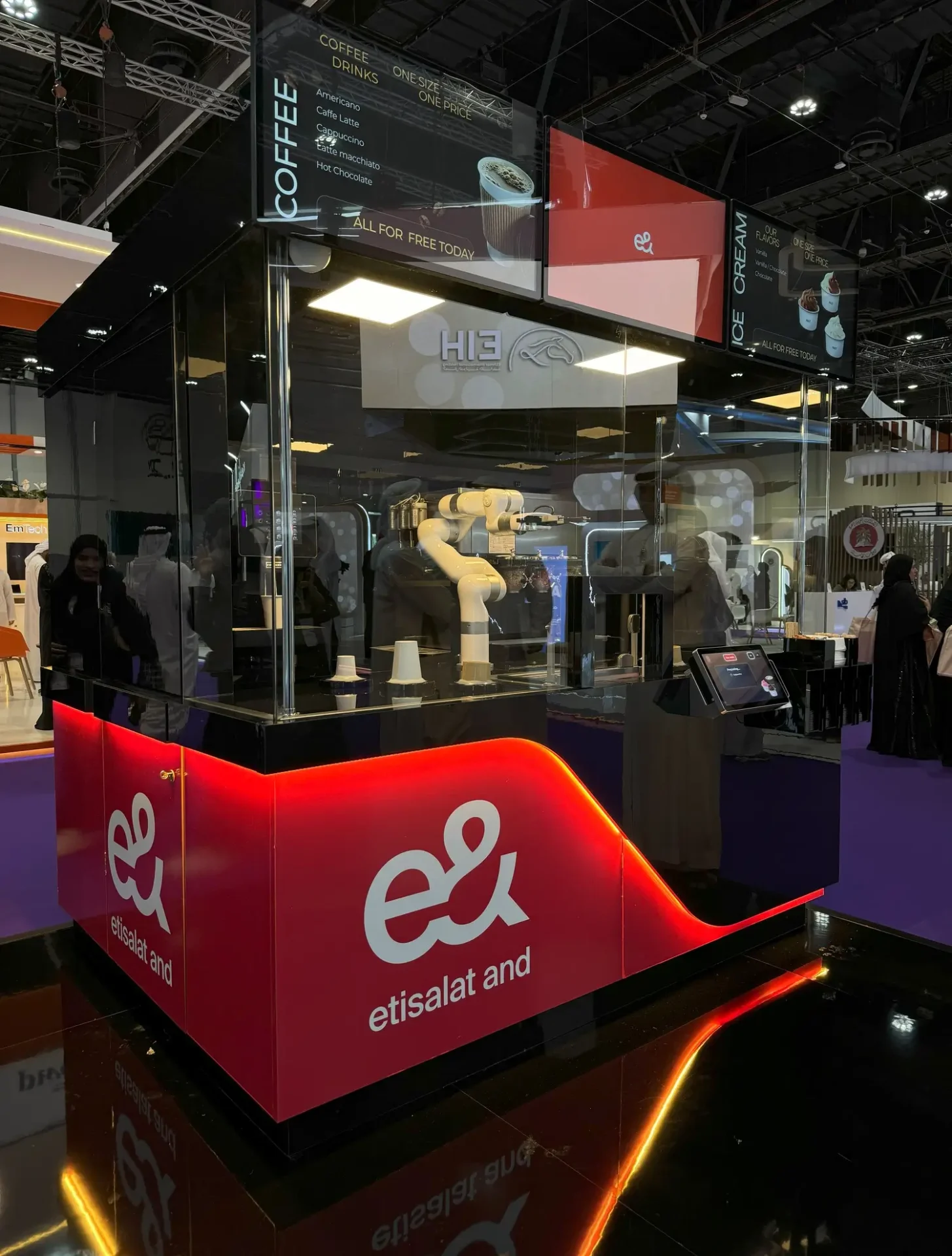
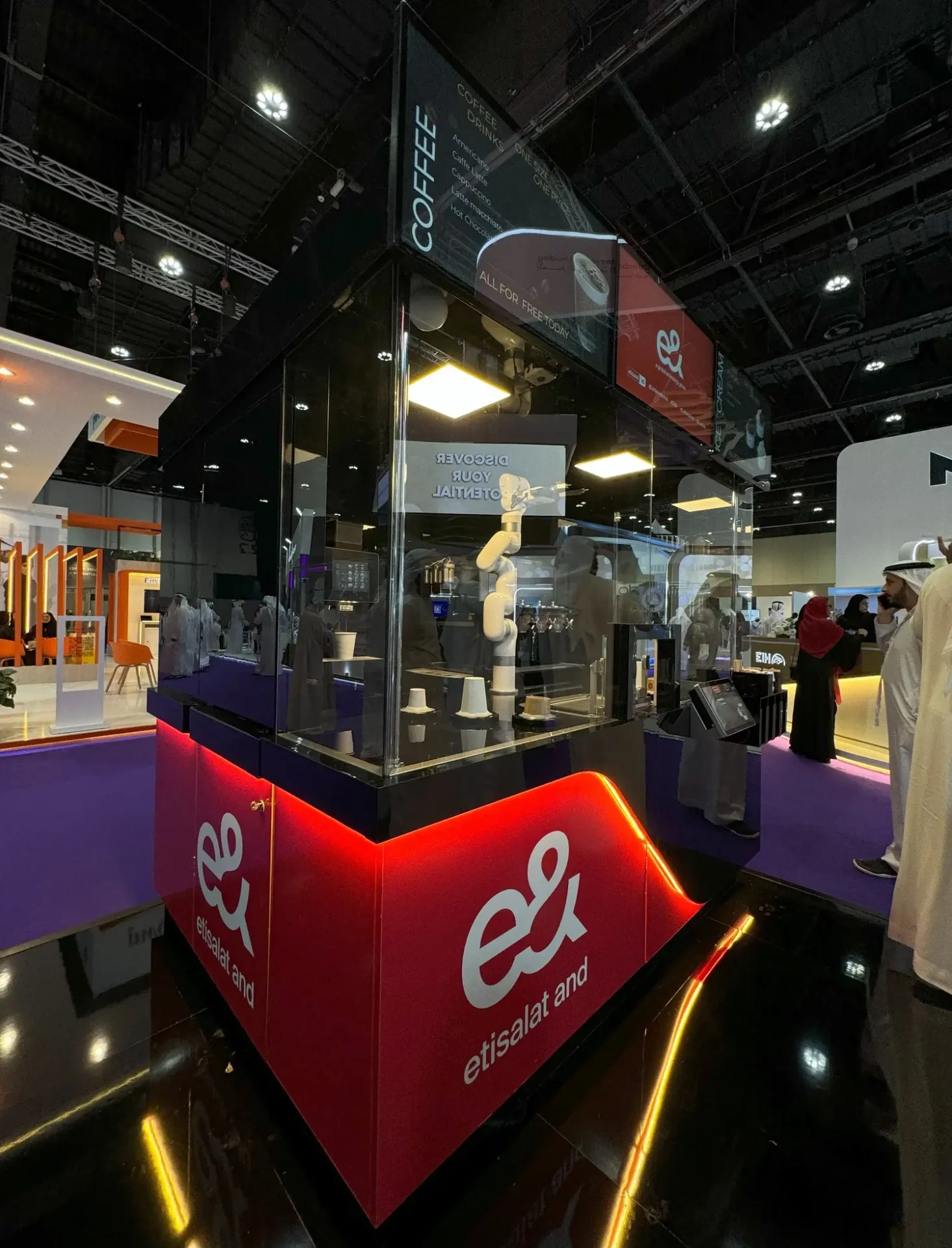
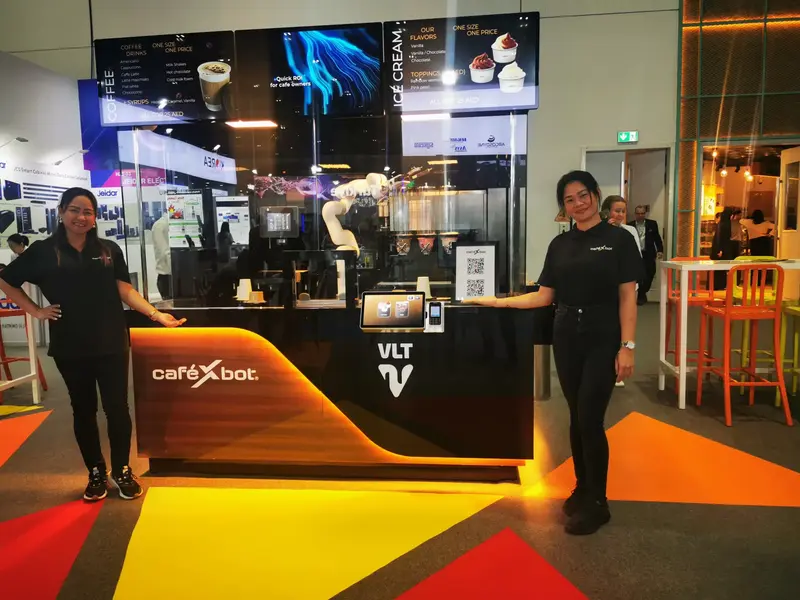
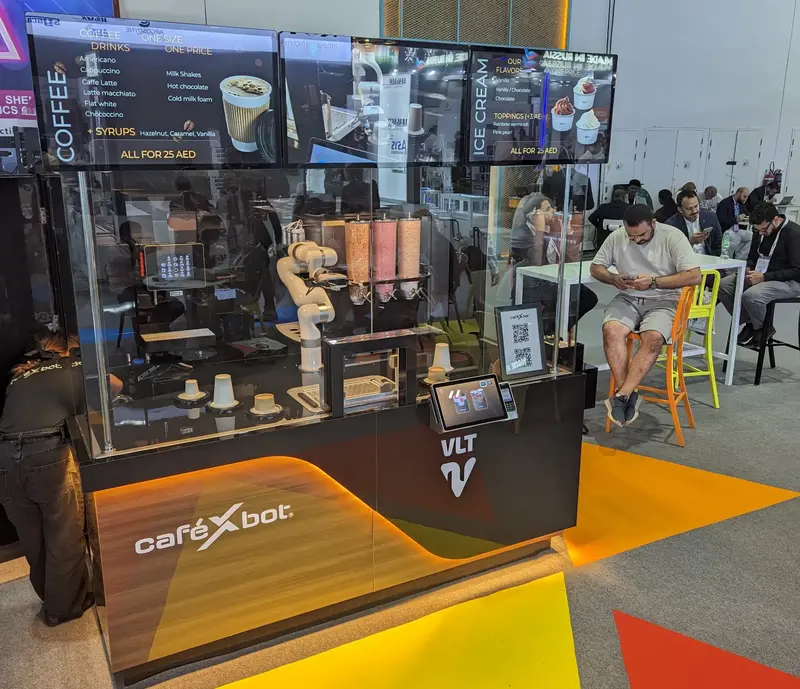
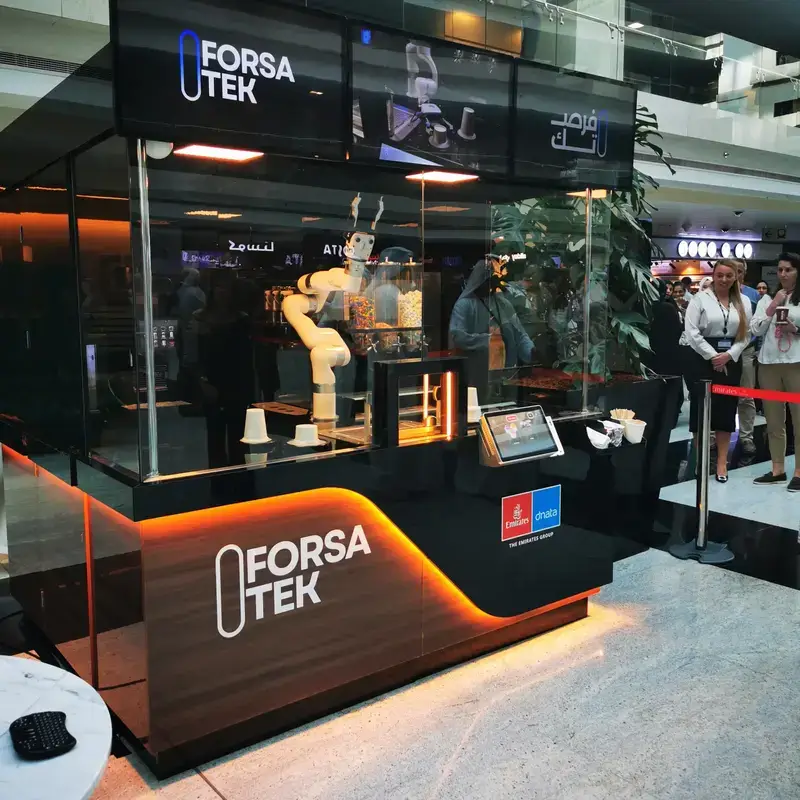
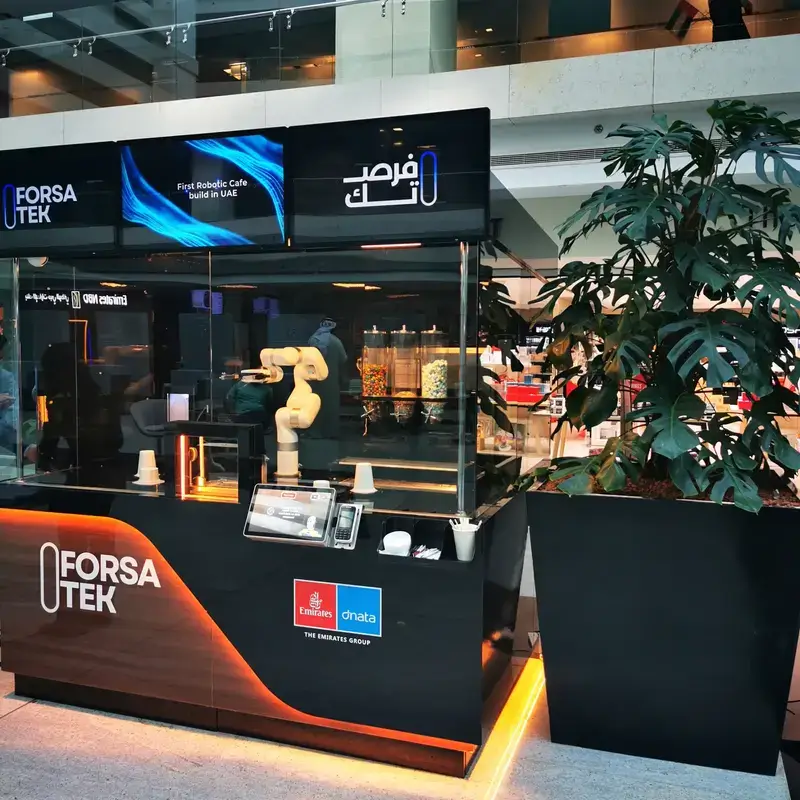
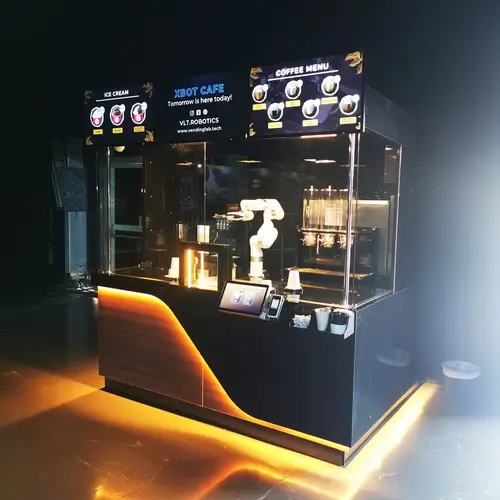
A Robot Cafe is attracting attention from investors who want technology, practical service, and a distinctive customer experience in one business. Picture a compact café where robotic equipment prepares drinks, while staff welcome guests, check orders, and handle unexpected needs. The appeal is easy to see. A familiar cup of coffee meets a memorable twist.
The investment case is promising, but it is not automatic. Automation may support consistent preparation and help manage repetitive tasks. It can also introduce equipment costs, maintenance needs, and service interruptions. A stalled arm or an empty ingredient hopper is not a minor detail during the morning rush. Investors should examine the full operating model, not just a polished demonstration. Costs, customer demand, staff training, and local service support all matter.
There is more to learn. A robot does not create loyalty by itself. Customers may return for reliable drinks, convenient locations, and a welcoming atmosphere; the technology is only one part of that equation. Strong operators measure service times, repeat visits, equipment downtime, and customer feedback before expanding. Those figures can reveal whether novelty is becoming a durable business.
Global opportunities vary widely. Rent, labor availability, consumer habits, and supply chains differ from city to city. A concept that works in a busy transit hub may struggle in a quiet neighborhood. That uncertainty deserves honest attention. This article explores why Robot Cafe businesses may appeal to global investors, what practical advantages they offer, and which risks deserve careful evaluation before capital is committed.
Robot Cafés: Where Foodservice Meets Commercial Service Robotics
Why Are Robot Cafes a Smart Global Investment?
Robot Cafés: Where Foodservice Meets Commercial Service Robotics
A robot café is not just a coffee machine with a screen. It combines food preparation, payment, inventory tracking, and customer service in one compact operation. The International Federation of Robotics reported 205,000 professional service robots sold worldwide in 2023, a 30% increase year over year. Its World Robotics 2024 report identifies transportation and logistics as the largest application area, showing how automation is already moving beyond factory floors. Cafés can apply similar tools to repetitive tasks: grinding beans, dispensing drinks, and carrying trays across a busy room.
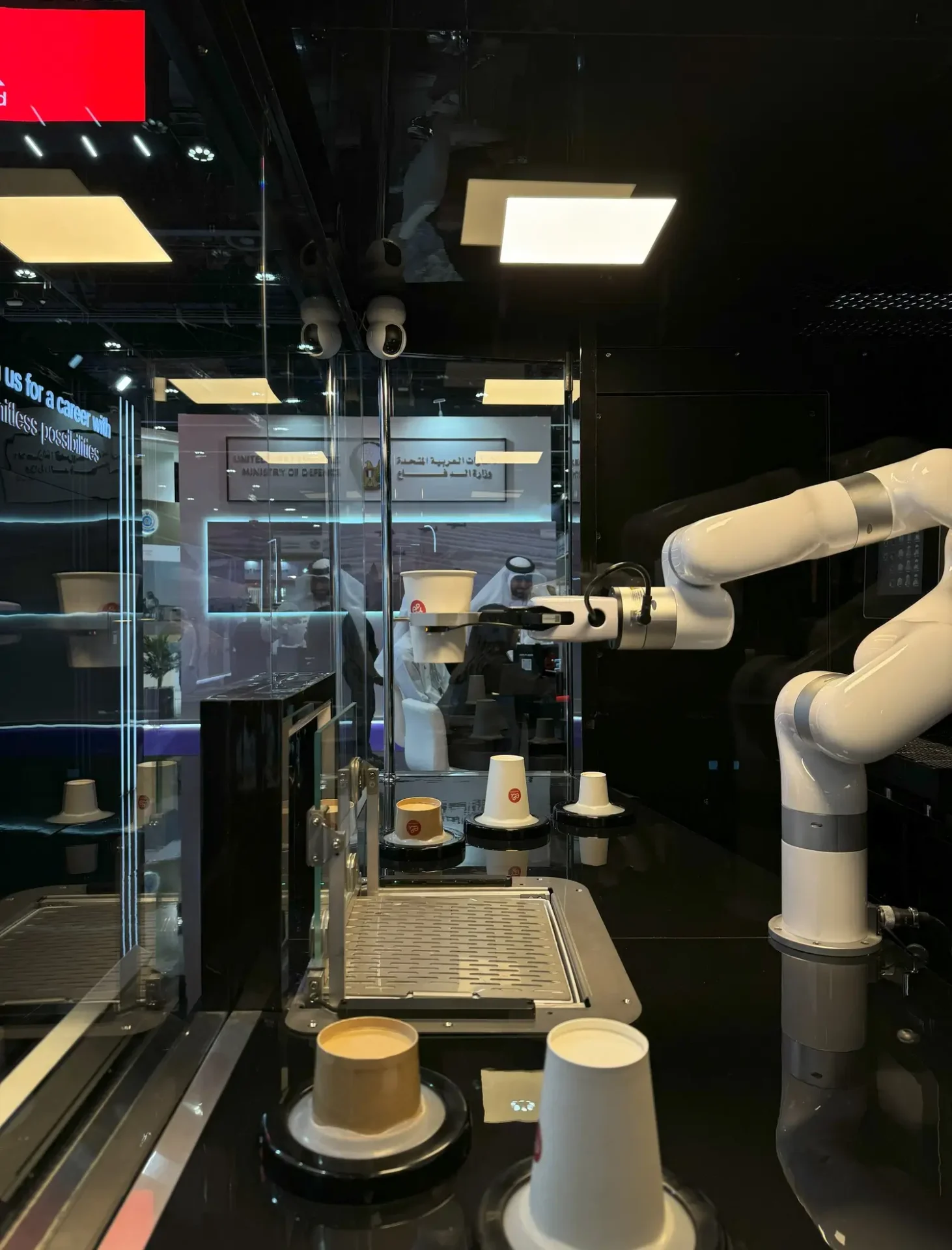
The investment case is practical. The U.S. National Restaurant Association’s 2024 State of the Restaurant Industry projected restaurant sales of $1.1 trillion that year. In a high-rent location, a robot-assisted counter may help serve more orders without expanding the footprint. Picture a narrow café where an automated arm prepares drinks while staff handle customer questions and restocking. Useful, but not effortless. Equipment needs cleaning, maintenance, and reliable ingredient supply; a small outage can interrupt service quickly.
The strongest model pairs machines with trained people rather than removing human judgment. Robots can support consistency during rush periods, while staff manage exceptions, accessibility needs, and the occasional spilled latte. That balance matters. IFR data tracks broad service-robot categories, not robot cafés specifically, so investors should treat sector growth as context—not proof of café-level returns. Local trials, repair costs, and customer acceptance still need close attention.
Why Are Robot Cafés a Smart Global Investment?
Global professional service robot sales grew 30% in 2023, signaling expanding commercial adoption of automation—a supportive trend for foodservice robotics, though not a café-specific sales measure.
Source: International Federation of Robotics, World Robotics 2024. Figures are worldwide sales of professional service robots across applications, rounded to the nearest thousand.
IFR Reports 205,000 Professional Service Robots Sold in 2023
Why Are Robot Cafes a Smart Global Investment?
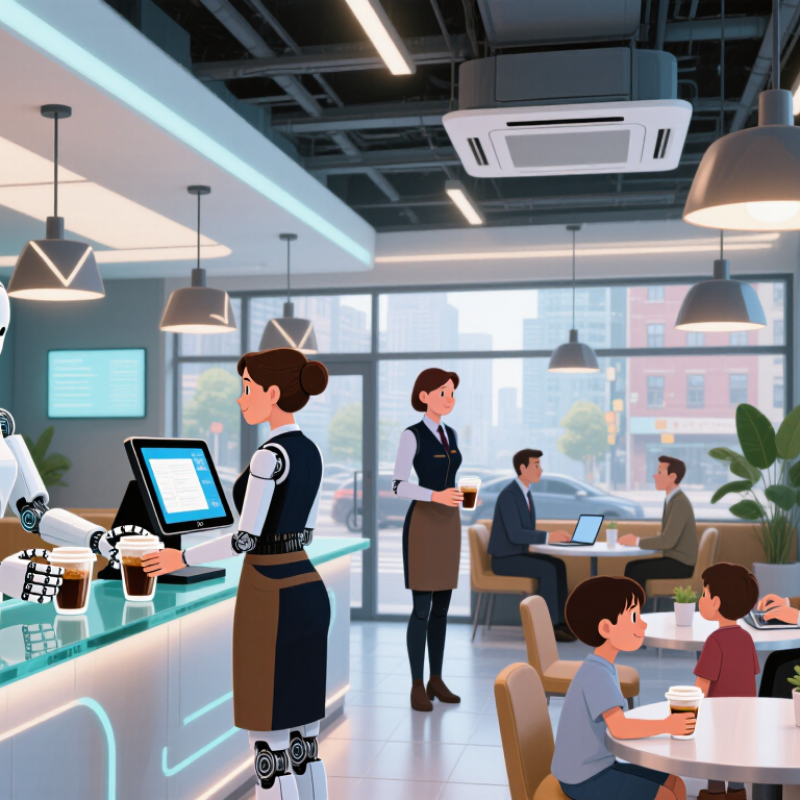
The International Federation of Robotics reported 205,000 professional service robots sold in 2023. That figure signals growing demand for automation across service industries, though it does not mean 205,000 robots went to cafes. For investors, the broader trend matters: businesses are testing machines for repetitive tasks, including carrying dishes, guiding guests, and supporting food preparation. In a busy cafe, a robot moving cups across a tiled floor can ease some staff workload. It cannot replace warm service or handle every spill.
Robot cafes may appeal to investors because they combine a visible customer experience with practical operations. Automation could help manage peak-hour orders and reduce repetitive movement, especially where hiring is difficult. But the economics depend on maintenance, training, floor layout, and customer comfort. A quiet machine can help. A crowded dining room may confuse it. Labor savings also vary, and equipment costs can strain a small operator. I would want to see real operating data before assuming the model scales. That is the part investors may overlook.
Tips: Treat the 205,000 figure as an industry signal, not a cafe forecast. Ask operators about downtime, repair costs, and service speed during busy periods. Watch how staff and guests interact with the machines. A pilot can reveal awkward moments that a sales presentation misses.
Why Are Robot Cafes a Smart Global Investment? — IFR Reports 205,000 Professional Service Robots Sold in 2023
| Metric |
Reported data |
What it may mean for robot cafes |
Source / note |
| Professional service robots sold worldwide |
205,000 units in 2023 |
Shows an established global market for robots performing commercial and service tasks. It is a broad category, not a count of cafe robots. |
International Federation of Robotics (IFR), World Robotics 2024: Service Robots. |
| Annual change in professional service robot sales |
Approximately 30% growth in 2023 |
Rapid category growth can support investor interest, while individual cafe economics still depend on local costs, demand, and utilization. |
IFR reported the year-on-year change for professional service robots. |
| Transportation and logistics robots |
About 113,000 units in 2023 |
This was a major service-robot application. The wider adoption of robots for moving goods demonstrates commercial use beyond factory automation. |
IFR application category; these units are not cafe robots. |
| Approximate share of professional service robot sales represented by transportation and logistics |
About 55% (113,000 ÷ 205,000) |
The market is concentrated in proven operational applications. Cafe investors should assess whether their own use case can deliver similarly clear productivity benefits. |
Calculated from IFR’s reported figures; rounded. |
| Relevance of the headline figure to robot cafes |
Industry-wide indicator, not cafe-specific sales |
Use the figure as evidence of broader service-robot adoption—not as a direct forecast of cafe revenue, market share, or return on investment. |
Interpretation based on the scope of IFR’s professional service robot category. |
| Key investment checks for a robot cafe |
Labor savings, equipment and maintenance costs, throughput, utilization, and customer acceptance |
Model these factors for the specific location and compare total operating costs with a conventional cafe before investing. |
Due-diligence considerations; outcomes vary by market and business model. |
Hospitality Robots Reached 54,000 Sales in 2023, According to IFR
Hospitality robots reached 54,000 sales in 2023, according to the International Federation of Robotics. This figure signals a serious shift in food service investment. Robot cafes can support repetitive tasks, including order delivery, table assistance, and basic cleaning. They may also reduce pressure during busy periods, when staff face long queues and constant movement. The opportunity looks attractive, but sales volume alone does not guarantee strong returns.
Tips: Investors should study labor costs, maintenance access, customer habits, and local regulations. Test one service area before automating an entire cafe. Track waiting time, downtime, and customer feedback. A simple spreadsheet can reveal whether the robot creates value or only creates novelty.
The strongest investment case combines technology with human hospitality. Customers still appreciate clear communication, warm service, and quick problem-solving. Robots can handle predictable work, while employees manage unusual requests and personal interaction. However, energy use, repairs, software updates, and staff training can weaken profit margins. This is easy to underestimate. A cafe may look futuristic but operate inefficiently behind the scenes. Careful pilots, transparent performance records, and realistic payback estimates make the decision more reliable. The IFR figure shows growing demand, not automatic success.
How Café Automation Can Address Labor and Service-Capacity Pressures
Robot cafes are attracting global investors because they target a visible operating problem: limited labor capacity. In busy districts, one employee may handle orders, payments, drink preparation, and cleaning. During morning peaks, small delays multiply quickly. Automation can take over repeatable steps, such as dispensing coffee, guiding collection, or monitoring stock. This lets staff focus on hospitality, exceptions, and food-safety checks. The value is practical, not futuristic.
A well-designed system can extend service hours without requiring a full night shift. It can maintain consistent portioning and record preparation times for managers. These records support better scheduling and reveal bottlenecks that casual observation misses. For investors, the important question is not whether a machine looks impressive. It is whether labor hours saved exceed installation, maintenance, training, and downtime costs. Local wage levels, electricity prices, lease conditions, and customer habits can change that calculation.
There are limits. A robot cannot calmly resolve every allergy question or repair trust after a mistaken order. Staff still need clear escalation procedures and regular technical training. The human role changes. It does not disappear. Poor interfaces may slow service rather than improve it, especially for older customers or first-time users. Operators should test queues at lunch, measure abandoned orders, and speak with employees before scaling. The uncomfortable finding may be that partial automation works better than a fully unmanned café.
Assessing Investment Viability Through Costs, Reliability, and Local Demand
Robot cafes deserve investment attention because they can reduce repetitive work and improve service consistency. The International Federation of Robotics reported about 205,000 professional service robots sold globally in 2023. Hospitality was among the active application areas. Yet hardware alone does not create profit. Investors should calculate equipment, installation, software, maintenance, training, and electricity costs. A cafe also needs human staff for food quality, customer support, and technical recovery.
Local demand remains the harder test. The National Restaurant Association projected United States restaurant sales above one trillion dollars in 2024. That figure shows market scale, not guaranteed demand for automation. Measure hourly foot traffic, average spending, peak queues, and customer comfort with self-service. Reliability matters during breakfast rushes. A single failed robot can create visible delays, refunds, and negative reviews. Set a practical uptime target, such as 98%, but treat it as an assumption requiring local testing. My concern is simple: projected labor savings often ignore downtime and replacement parts.
Tips
Run a 60-day pilot before signing a large lease. Compare labor hours saved against service calls and idle periods. Request independent safety records and clear maintenance terms. Test the robot with elderly customers, children, and non-native speakers. A smooth demo proves little. Use weekly data, not enthusiasm. I would also reserve cash for repairs, because early forecasts are usually too optimistic.