Top Coffee Robot Arm Suppliers for Global Buyers?
Global coffee businesses are adopting automation to improve consistency, speed, and staff efficiency. As cafés expand across regions, choosing a capable supplier becomes more difficult. A reliable Coffee Robot Arm should support accurate dosing, stable cup placement, and repeatable movement during busy service.
This guide examines leading Coffee Robot Arm suppliers for global buyers. It considers technical design, installation support, software compatibility, maintenance, and documented safety practices. Buyers should review payload capacity, arm reach, cleaning requirements, and operating temperature before comparing prices. A gripper that handles a paper cup may not safely manage a ceramic mug. Small details matter.
Supplier credibility also depends on evidence. Look for clear product specifications, factory testing records, training programs, and responsive after-sales teams. Demonstrations are useful, but real café trials reveal more. Watch the arm during a long rush, not only during a polished presentation. Ask how quickly replacement parts arrive in your region. Ask who handles software faults after installation. Some suppliers appear strong online, yet their local support may be limited.
No supplier is perfect. That is worth admitting. A low-cost system may require more integration work, while a premium model may exceed a smaller café’s needs. Buyers should compare total ownership costs rather than focusing only on the purchase price. This introduction sets a practical path for evaluating suppliers with professional judgment, measurable criteria, and realistic expectations. The strongest choice is not always the most advanced machine. It is the one that performs reliably in the buyer’s actual environment.
What Is a Coffee Robot Arm and How Does It Work?
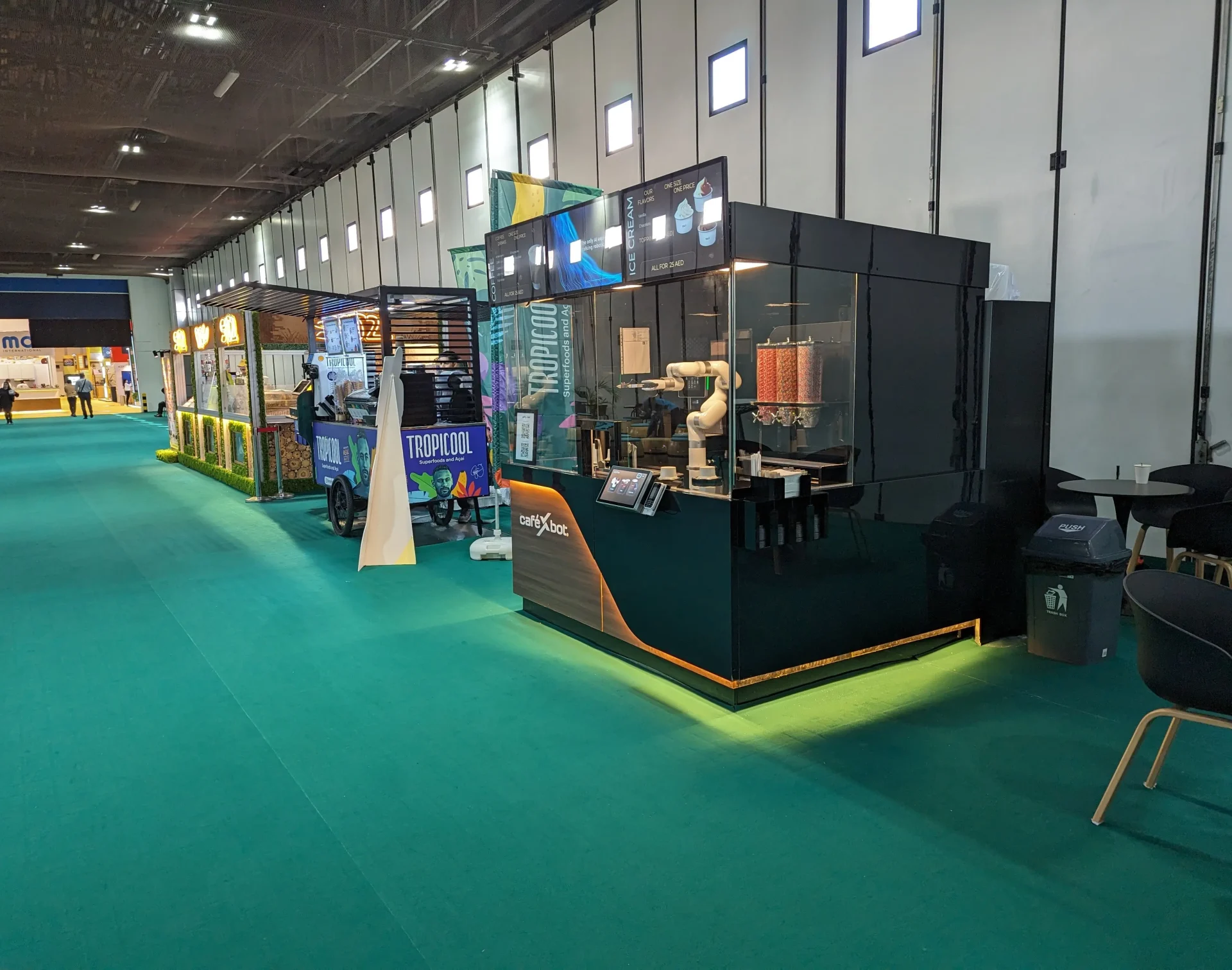
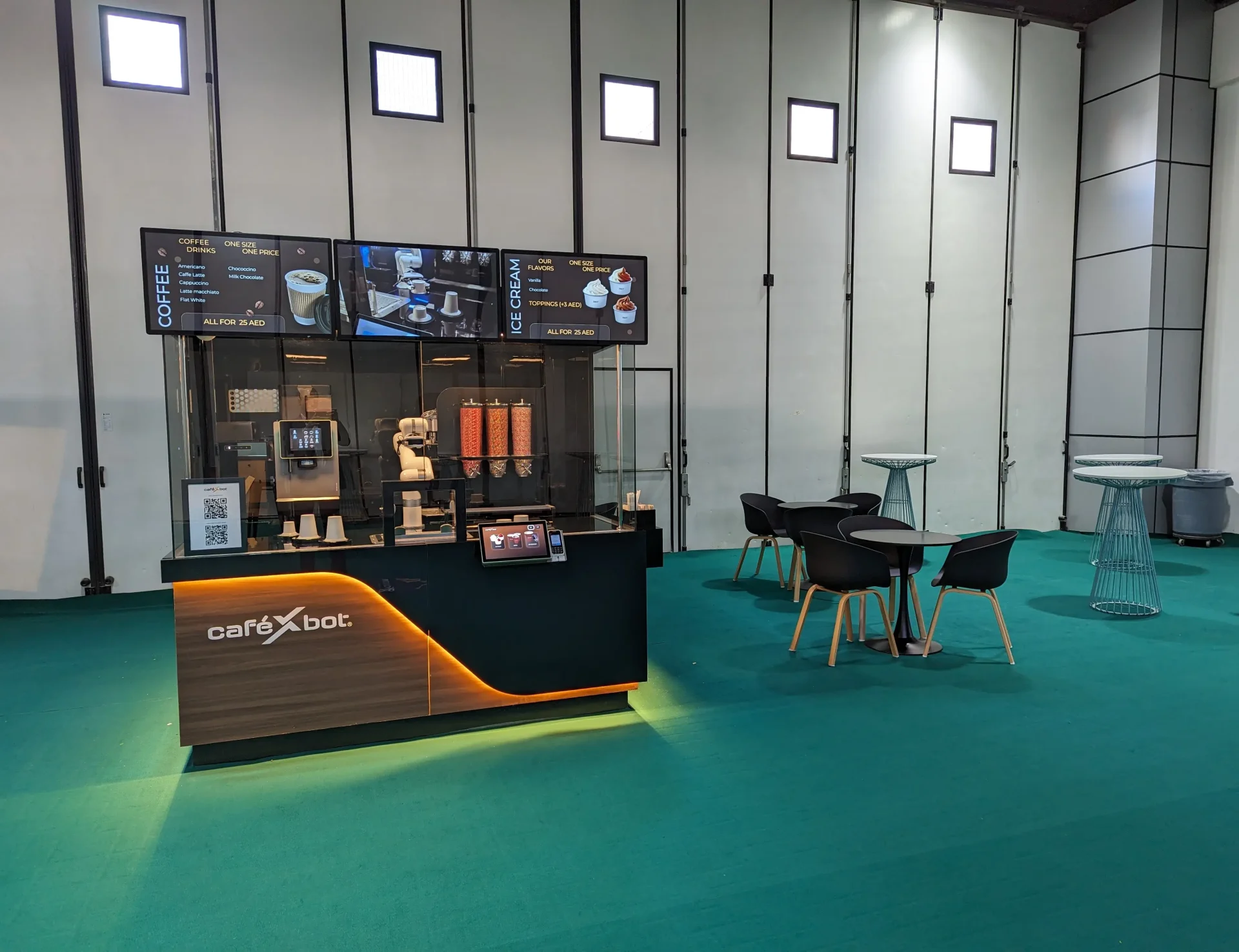
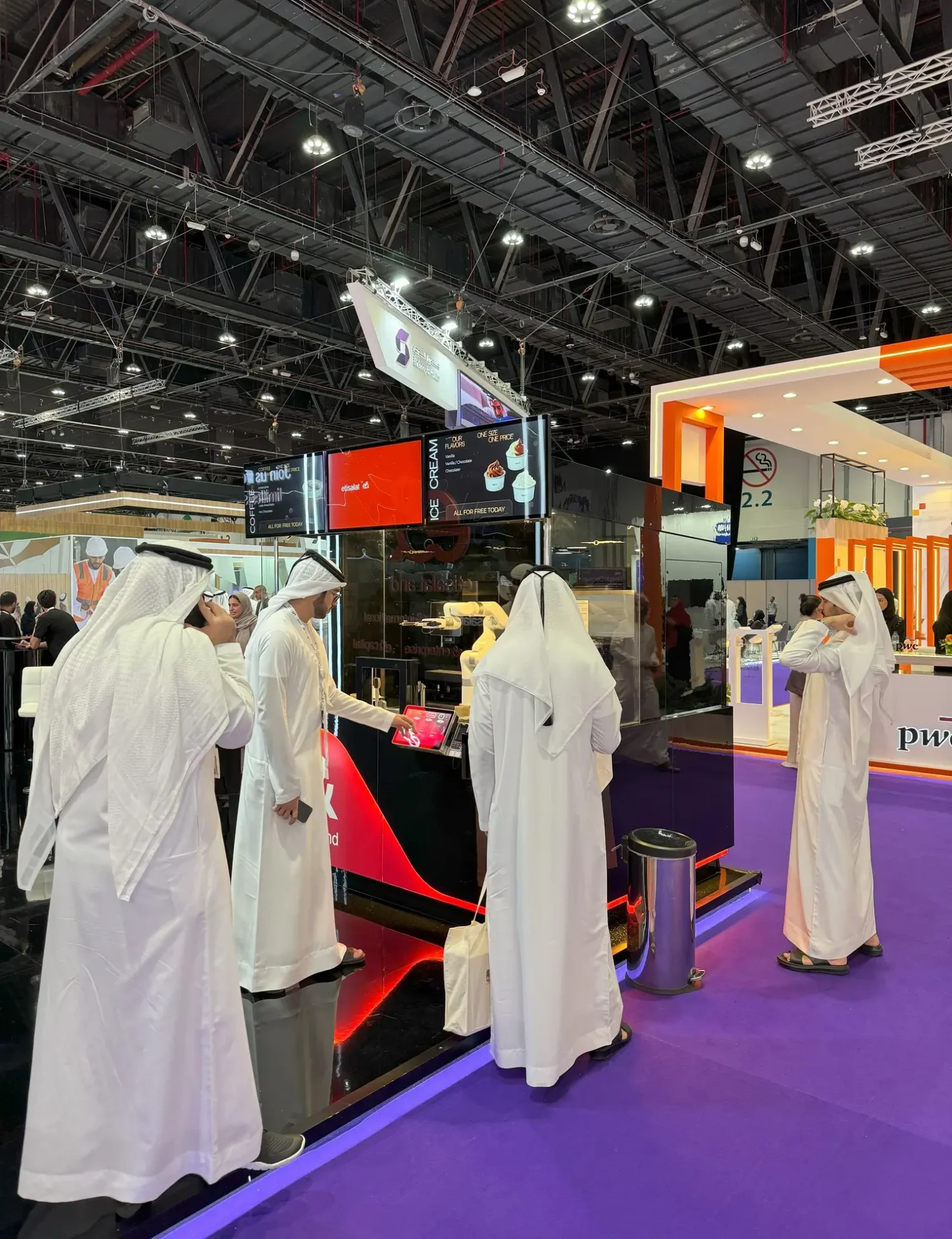
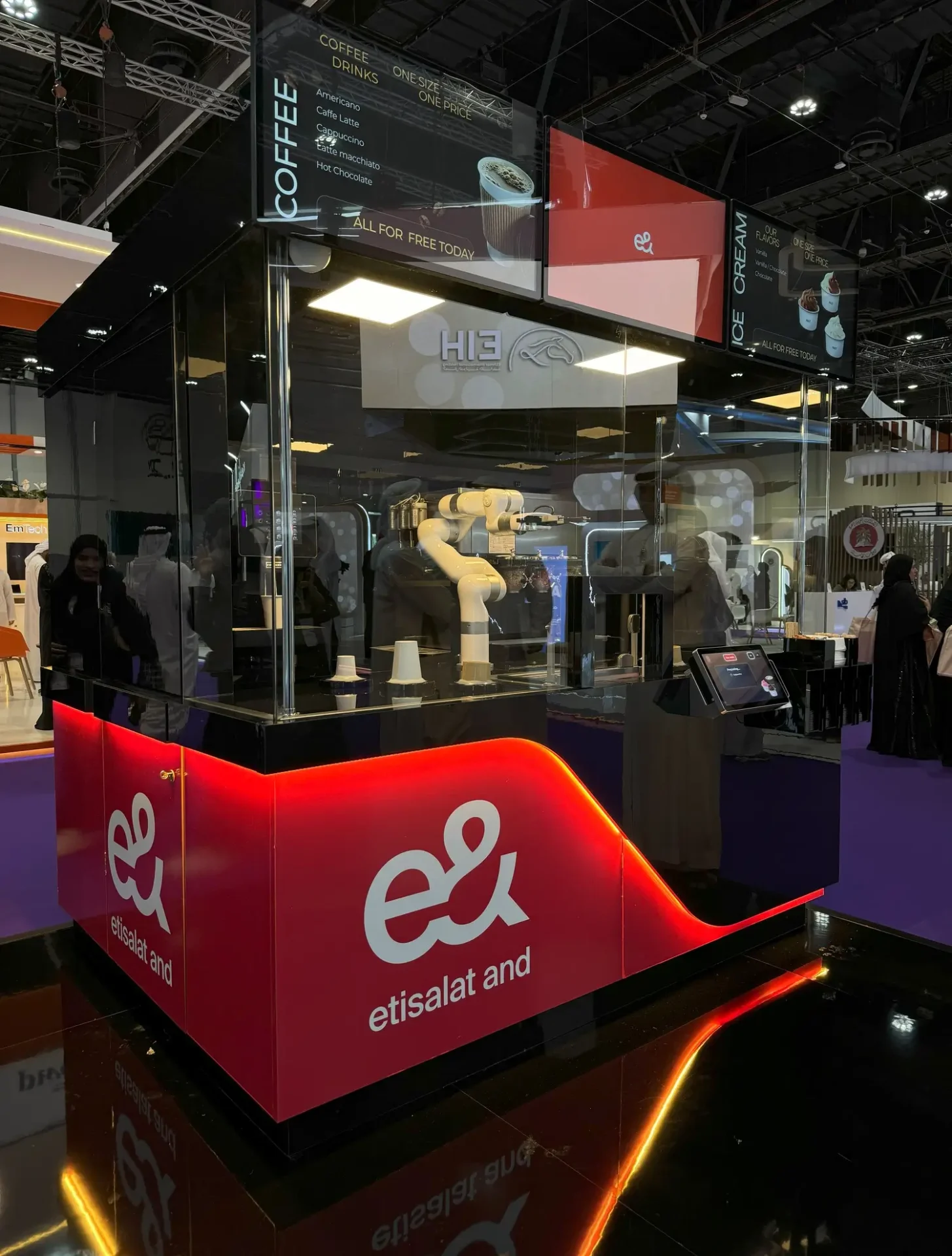
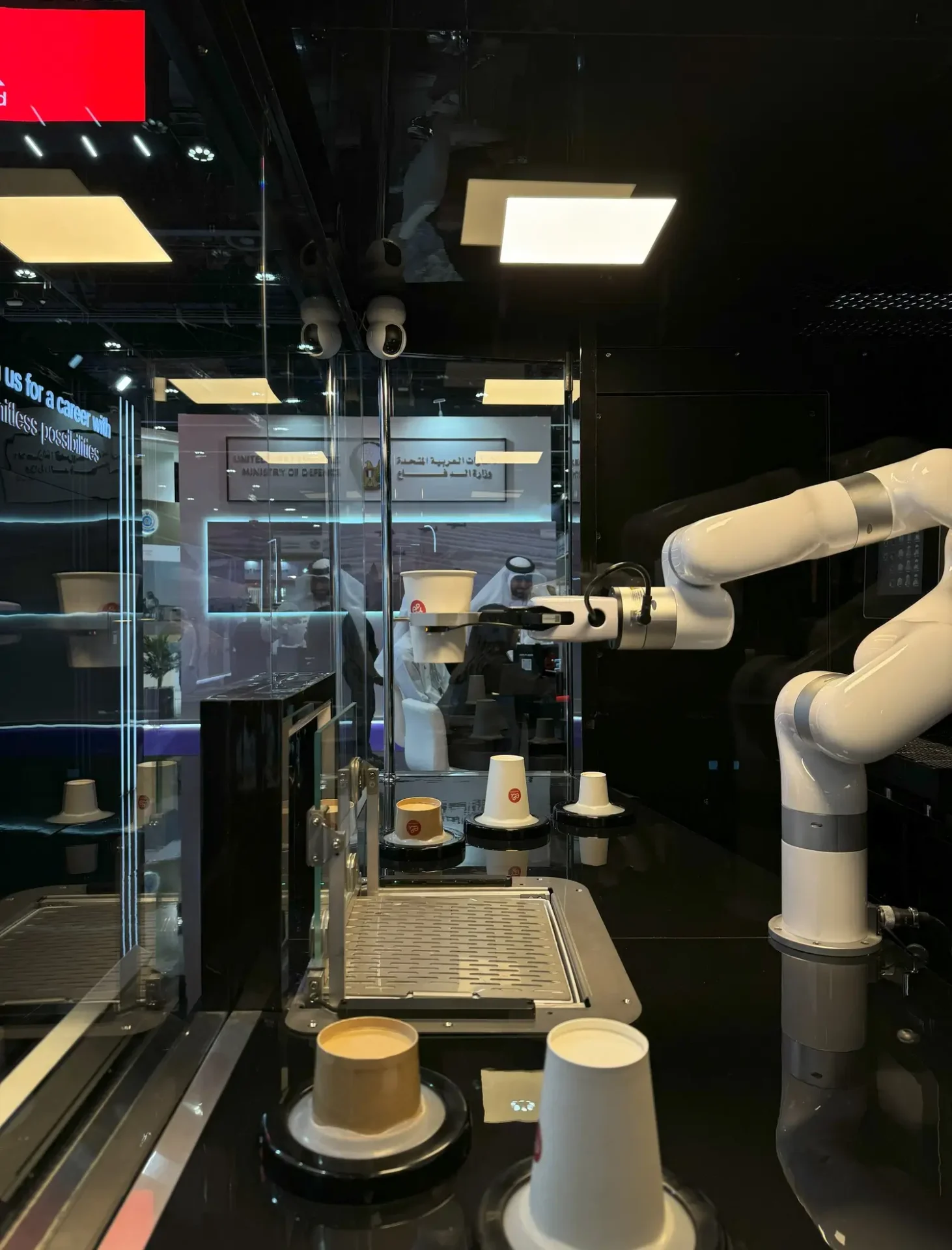
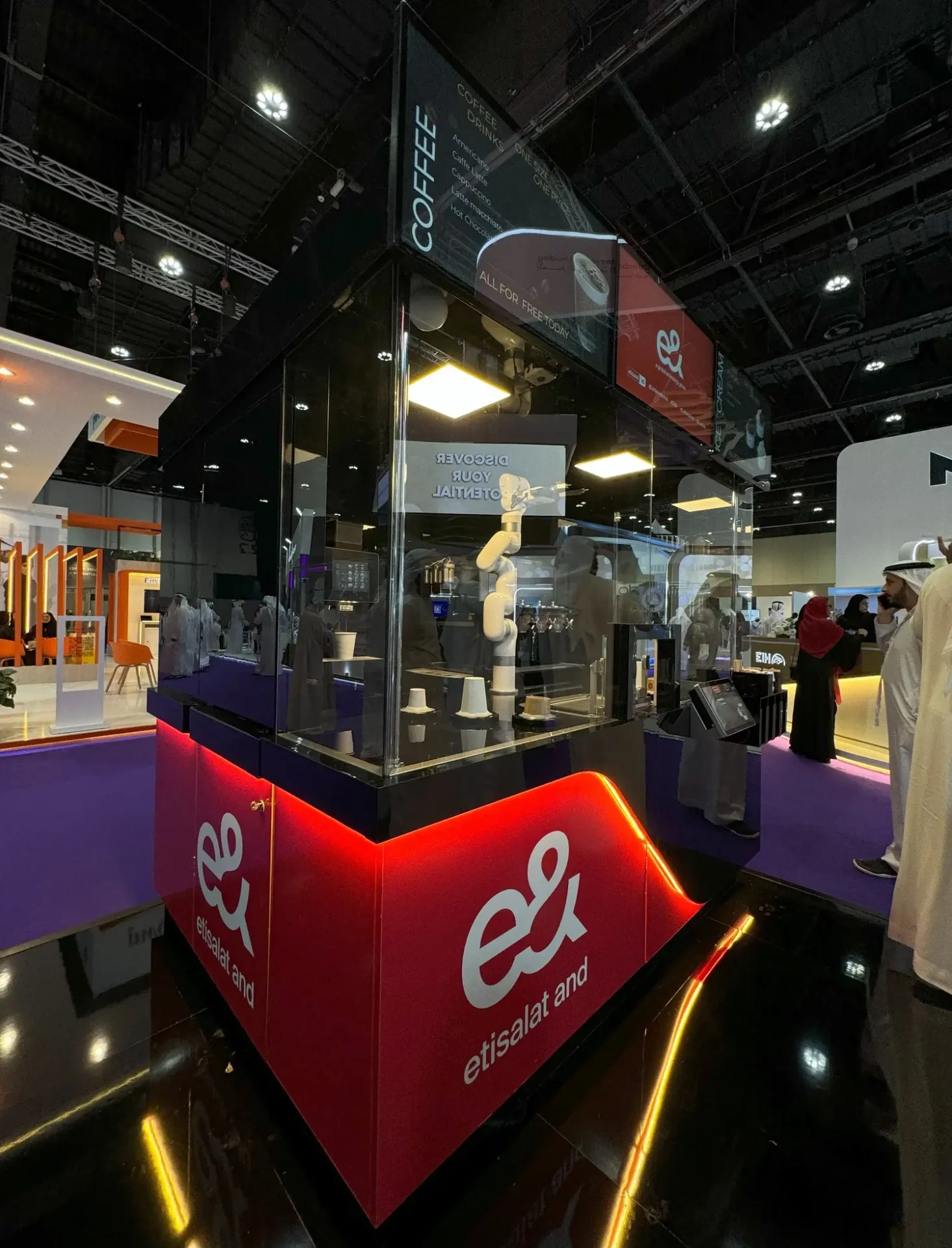
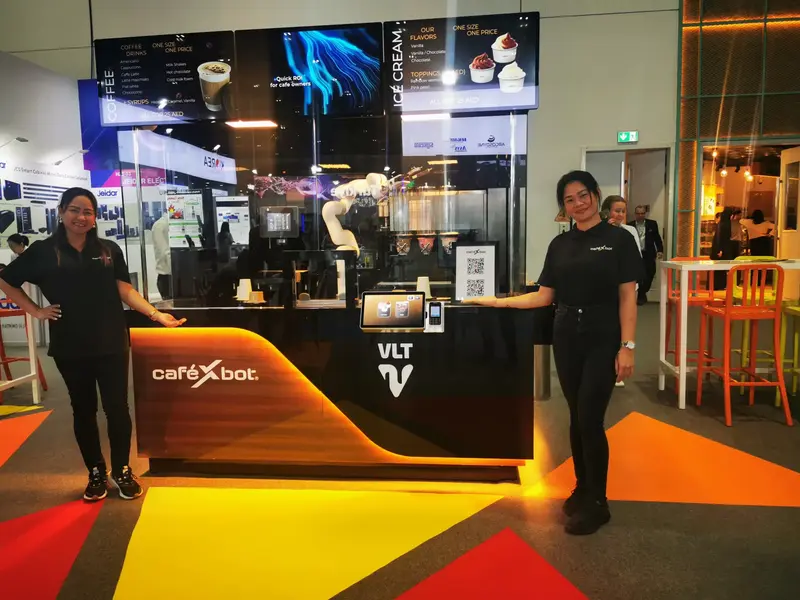
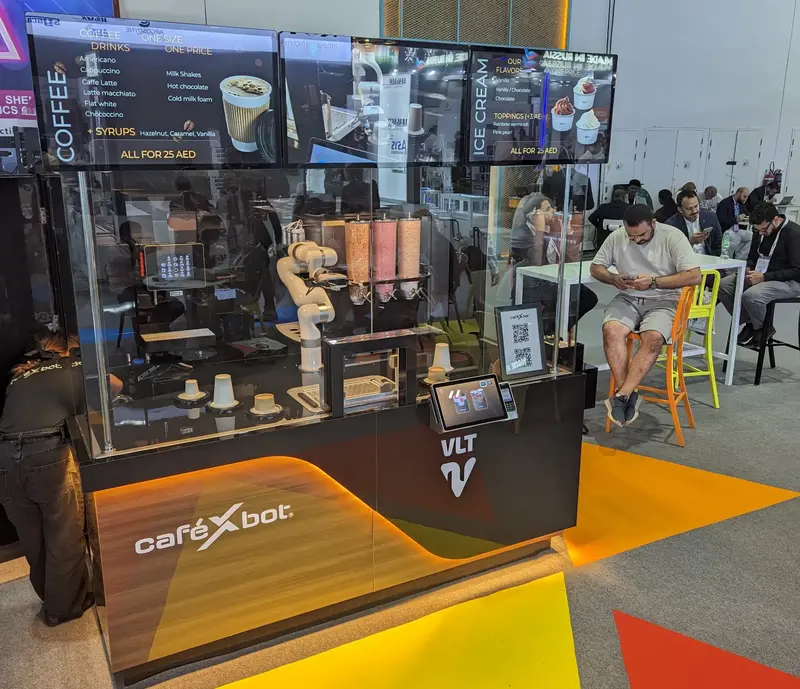
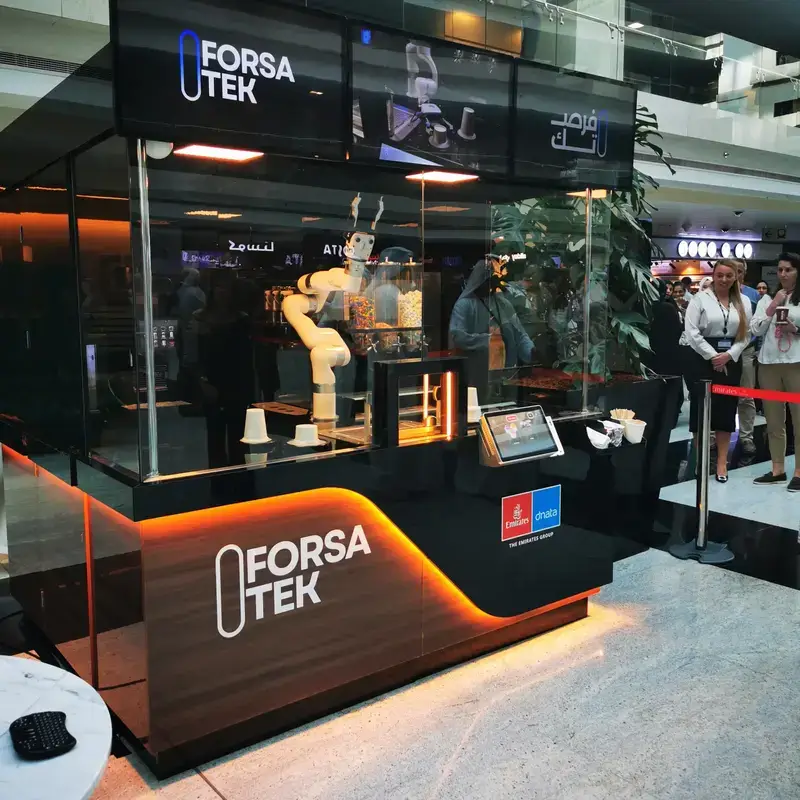
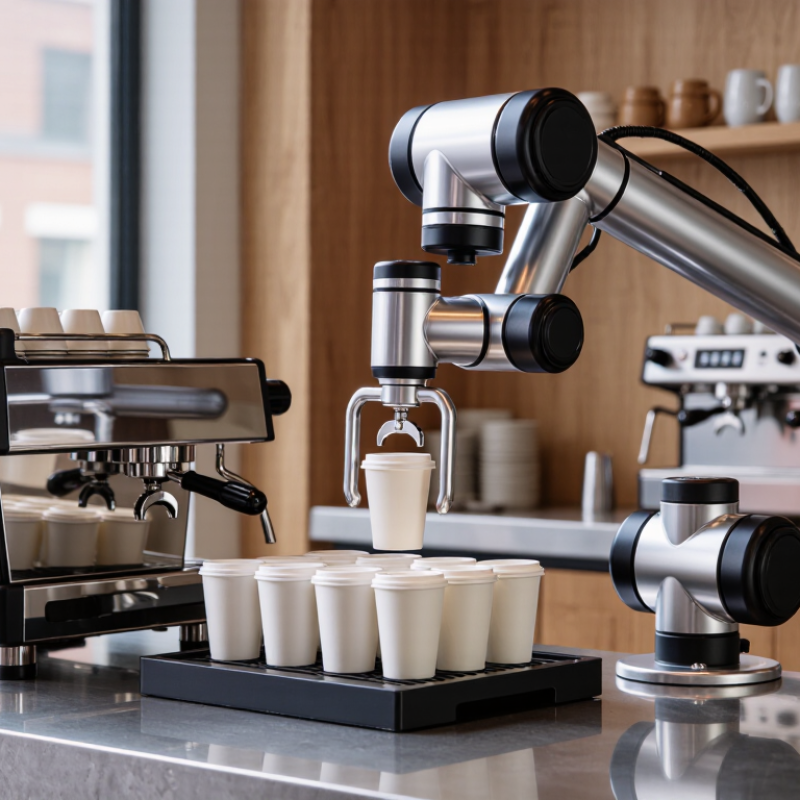
A coffee robot arm is a programmable mechanical arm designed to prepare and serve drinks. It can lift cups, move brewing tools, pour liquids, add ice, and place finished orders on a counter. The arm usually combines joint motors, position sensors, a gripper, and control software. It is not magic.
The workflow begins when an ordering system sends a drink recipe to the controller. The controller converts each instruction into coordinated movements. Sensors help the arm locate cups and detect unexpected contact. A camera may check cup position, liquid level, or ingredient placement. The arm then follows calibrated paths, while operators monitor speed, temperature, cleaning, and emergency stops.
Industry data shows why interest is growing. The International Federation of Robotics reported more than 205,000 professional service robots sold worldwide in 2023, representing about 30% growth. This figure covers many sectors, not coffee alone, but it signals wider acceptance of automated service equipment. For buyers, the practical question is not only movement accuracy. They should examine food-contact materials, washdown design, recipe software, maintenance access, and local safety compliance. ISO 10218 provides a key reference for industrial robot safety, while collaborative installations may require additional risk assessment.
A small mistake can still spoil consistency. A poorly calibrated gripper may crush a paper cup or spill hot liquid. Cleaning schedules are often treated as software details, which is a weakness. Real reliability depends on trained staff, clear manual overrides, and measurable service records. Suppliers should provide cycle-time tests using the buyer’s actual cups, syrups, and counter layout.
Top Coffee Robot Arm Suppliers for Global Buyers? - What Is a Coffee Robot Arm and How Does It Work?
| Evaluation Dimension | Typical Specification or Capability | How It Works in a Coffee Application | Global Buyer Considerations | Recommended Verification Data |
|---|---|---|---|---|
| Robot Type | Six-axis articulated robot, collaborative robot, or compact SCARA system | Moves a gripper, cup tool, or dispensing accessory through programmed positions and trajectories. | Collaborative models are suitable for customer-facing counters; enclosed industrial systems are better for high-throughput back-of-house cells. | Robot architecture, allowable workspace, safety classification, and intended operating environment |
| Payload Capacity | Common beverage-handling applications typically require approximately 1–5 kg, including tooling | Supports cups, lids, ingredient containers, pitchers, or small coffee accessories without exceeding the robot's rated load. | Payload must include the end effector, beverage container, liquid contents, and dynamic movement forces. | Rated payload, wrist load limits, center-of-gravity requirements, and tool weight |
| Reach | Compact coffee workcells commonly use approximately 500–1,300 mm of working reach | Allows the arm to access the cup pickup point, coffee machine, milk station, syrup area, serving zone, and cleaning position. | Longer reach can cover more equipment but may require more counter space and a larger safety envelope. | Maximum reach, mounting position, joint limits, and complete layout drawing |
| Repeatability | Many precision robot arms provide repeatability in the sub-millimeter to low-millimeter range | Returns the tool to consistent coordinates for cup placement, dispensing, stirring, or lid fitting. | Repeatability is different from absolute accuracy; calibration is important when equipment is moved or replaced. | Published repeatability value, test conditions, calibration method, and allowable positional tolerance |
| Motion Speed | Application speed depends on robot model, payload, safety mode, and task complexity | Coordinates joint movement, linear travel, and pauses to complete beverage preparation without splashing or collision. | Fast movement does not always improve output if brewing, grinding, heating, or payment steps remain the bottleneck. | Cycle-time study using the buyer's actual cup sizes, recipes, and workstation layout |
| End Effector | Food-compatible parallel gripper, adaptive gripper, suction tool, or dedicated cup holder | Grips or supports cups and accessories while maintaining stable handling during filling and transfer. | Tooling should accommodate different cup diameters, surface finishes, lids, and condensation conditions. | Grip range, contact materials, maximum holding force, washdown suitability, and tool-change time |
| Beverage Dispensing | Usually controlled by integrated coffee equipment, pumps, valves, flow meters, or recipe software | The robot positions the cup and coordinates with the brewing or dispensing equipment through digital signals or an industrial network. | The arm alone does not brew coffee; the complete system requires compatible beverage hardware and control integration. | Interface protocol, I/O list, recipe management, dispensing accuracy, and equipment compatibility |
| Control System | Teach pendant, graphical programming interface, PLC integration, API, or industrial communication network | Stores task sequences such as cup pickup, machine loading, ingredient dosing, serving, and return-to-home routines. | Simple recipe editing reduces dependence on specialist programmers during menu or layout changes. | Supported protocols, user permissions, remote diagnostics, data logging, and software update policy |
| Safety Features | Emergency stop, protective stop, speed and force monitoring, guarding, scanners, or interlocked doors | Detects abnormal contact or entry into restricted zones and stops or limits robot motion. | Safety design must reflect local regulations, public access, hot liquids, sharp tools, and nearby staff movement. | Risk assessment, safety category, performance level, emergency-stop design, and regional compliance documents |
| Hygiene and Materials | Food-contact components should use suitable hygienic materials and cleanable geometries | Grippers and beverage-contact parts are cleaned or replaced according to a documented sanitation routine. | Robot joints may not be fully washdown-rated; food-contact tooling and surrounding surfaces require separate evaluation. | Material declarations, ingress-protection rating, cleaning chemicals, sanitation schedule, and replacement parts |
| Environmental Conditions | Typical indoor café conditions; temperature, humidity, dust, steam, and splash limits vary by equipment | Protective covers, ventilation, drainage, and suitable positioning help maintain reliable operation near coffee machines. | Steam and coffee residue can affect sensors, grippers, electrical connections, and moving joints. | Operating temperature and humidity range, IP rating, splash limits, installation clearance, and ventilation needs |
| Throughput Measurement | Measured in completed beverages per hour rather than robot movement speed alone | Combines robot cycle time with grinding, brewing, milk preparation, ingredient dosing, cleaning, and customer handoff. | Buyers should compare complete system throughput using identical recipes and service assumptions. | Validated cycle-time report, peak-hour capacity, queue logic, recovery time, and manual-intervention rate |
| Installation Requirements | Stable mounting surface, electrical supply, network connection, equipment interfaces, and defined service access | The arm is installed relative to fixed stations so programmed coordinates remain consistent. | Counter depth, ceiling height, floor loading, power standards, drainage, and local electrical rules affect deployment. | Utility schedule, footprint drawing, mounting details, power consumption, and commissioning checklist |
| Maintenance | Routine cleaning, inspection, lubrication where applicable, calibration, and replacement of wear parts | Maintenance keeps grippers, sensors, joints, dispensing interfaces, and safety devices within operating limits. | Accessible components and locally available service support can reduce downtime and ownership cost. | Preventive-maintenance intervals, spare-parts list, service response time, training, and warranty terms |
| Power Consumption | Varies by robot size and duty cycle; beverage heaters, boilers, grinders, and refrigeration often consume more energy | The robot uses electrical power for servo motion and control, while separate coffee equipment handles heating and preparation. | Evaluate total workcell energy use instead of judging the robot arm in isolation. | Robot rated power, standby consumption, complete-cell energy profile, and regional voltage compatibility |
| Supplier Selection | Compare technical fit, integration capability, service coverage, documentation, and total cost of ownership | A capable supplier delivers the arm, tooling, controls, safety system, beverage interfaces, commissioning, and operator training as required. | Global buyers should request region-specific support, spare-parts logistics, compliance files, and references for similar food applications. | Technical proposal, acceptance-test plan, ownership-cost model, support network, certifications, and delivery schedule |
Related Posts
-
Why Choose a Coffee Machine Robot for Your Business?
-
Why Are Robot Cafes a Smart Global Investment?
-

5 Creative Tips to Enhance Your Coffee Serving Robot Experience
-
2026 Best Robot Coffee Barista for Global Buyers?
-

Revolutionizing the Coffee Industry with Cutting Edge Coffee Robot Technology for Global Buyers
-

Top 10 Café Robot Manufacturers from China at the 137th Canton Fair