What Are the Top Robot Cafe Trends for 2026?
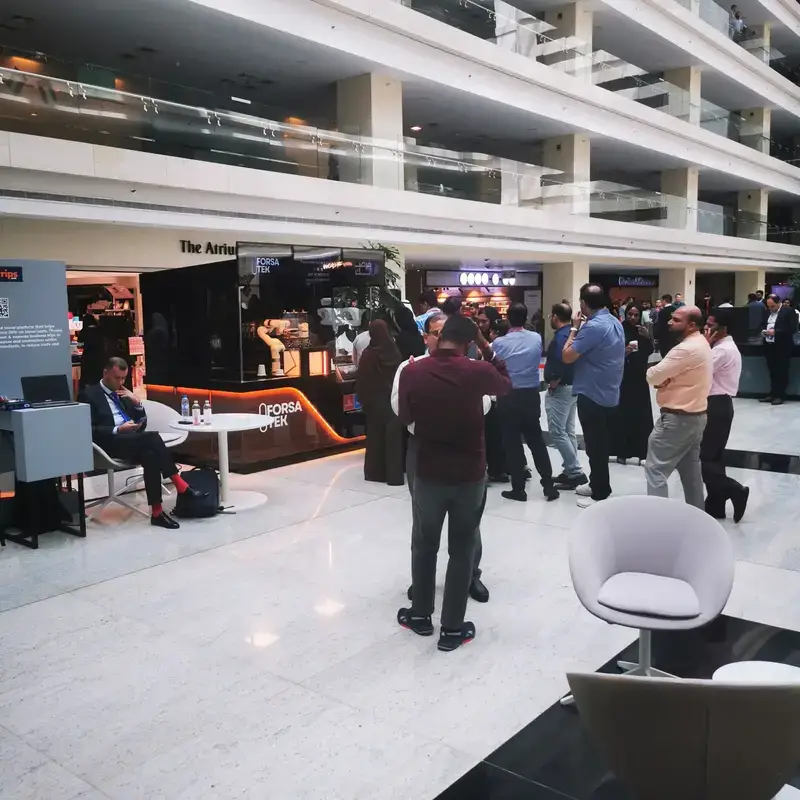
Robot Cafe trends in 2026 will be shaped by a simple test: can automation make a visit smoother without making it feel less human? Customers notice small things. A cup arriving at the right temperature matters. So does a clear menu, a clean counter, and help when the ordering screen freezes. Speed alone is not enough.
Cafe X founder Henry Hu offers a useful industry lens through his work with automated coffee service. The following line is an editorial summary, not a verified verbatim quotation: “Automation works best when it improves the drink and leaves room for hospitality.” That distinction matters. A credible Robot Cafe should show how its systems handle orders, cleaning, payment, and handoffs—not just display a moving robotic arm. Trust is built in the details.
This guide examines the trends likely to matter most in 2026: more flexible drink customization, smarter order coordination, compact robotic workstations, and clearer human support. Expect practical examples, from a screen confirming milk choice to a barista stepping in when a machine needs attention. Some forecasts will be wrong. The technology can look impressive under bright lights, yet feel awkward during a lunch rush. That gap deserves scrutiny. The strongest Robot Cafe concepts may not be the most theatrical ones; they may simply serve a consistent drink, explain what the machine can do, and make recovery easy when something goes wrong.
What Defines a Robot Cafe and How It Operates
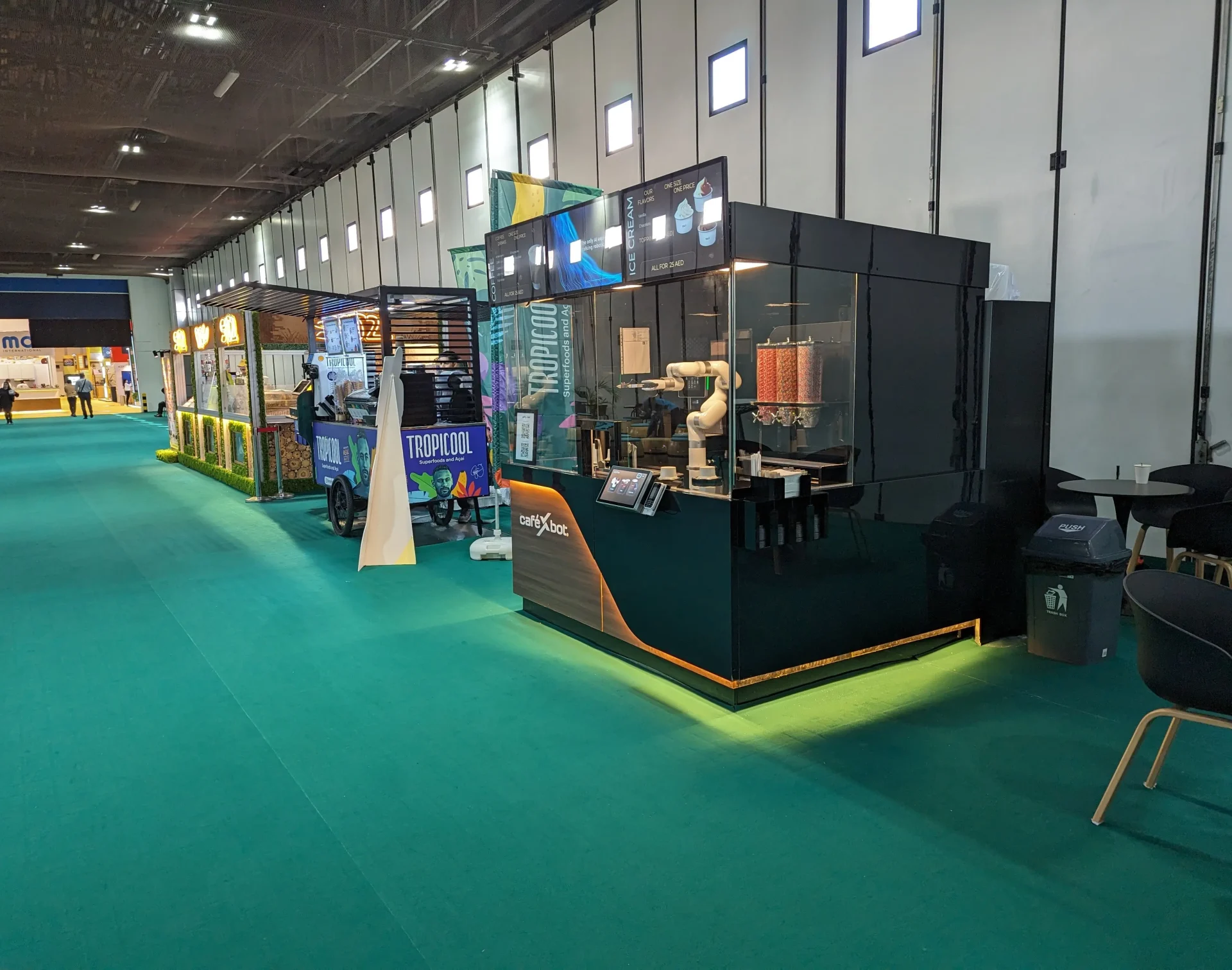
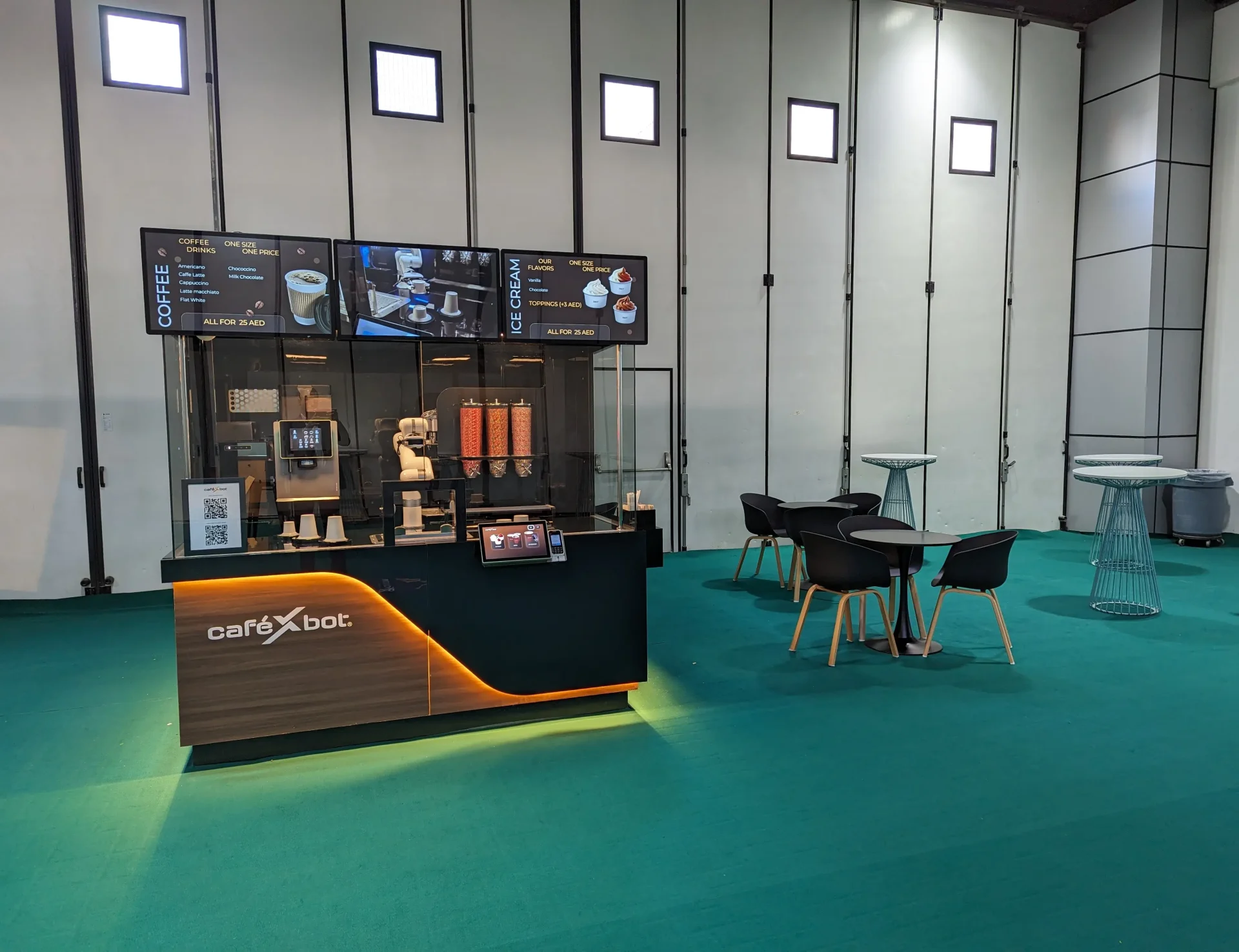
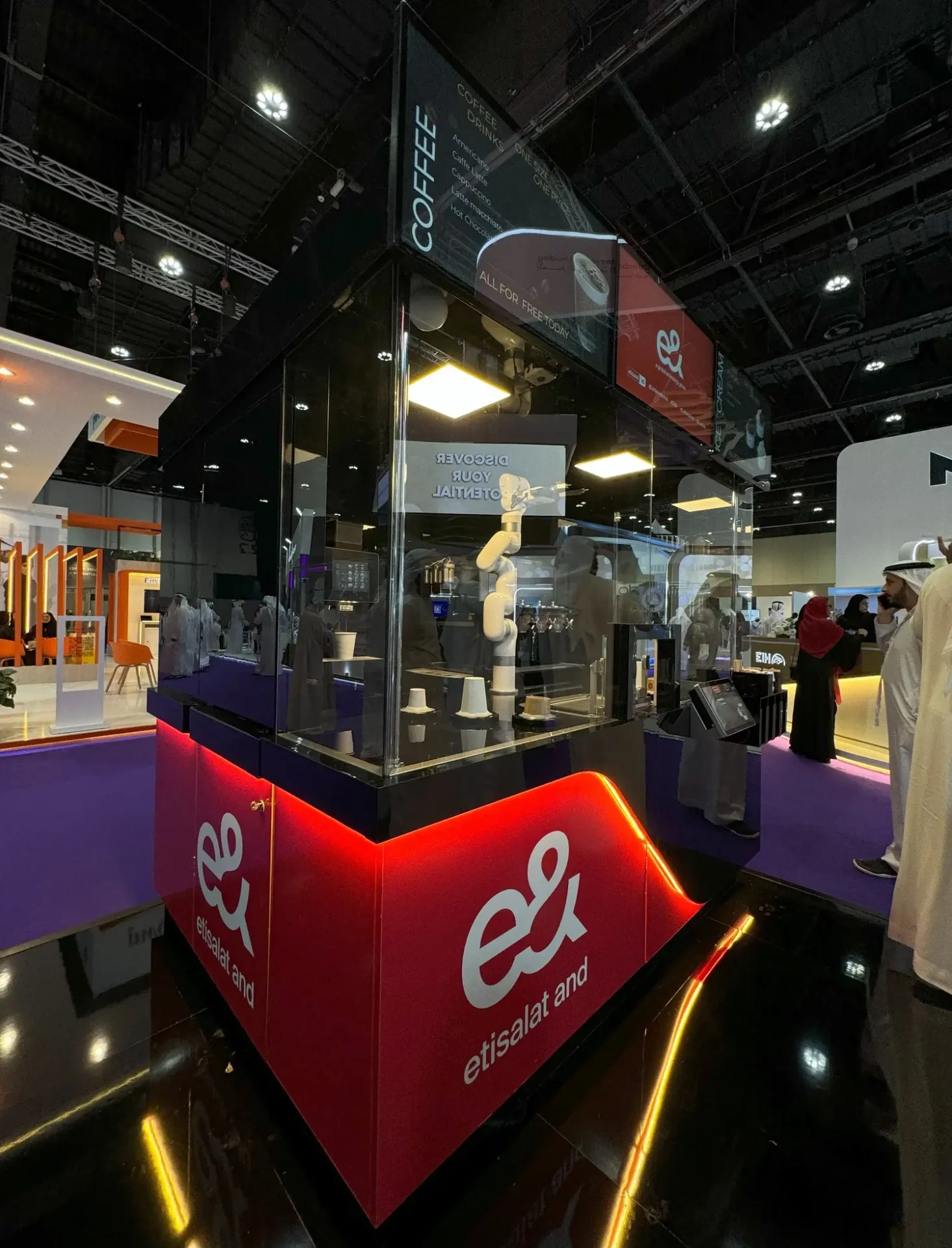
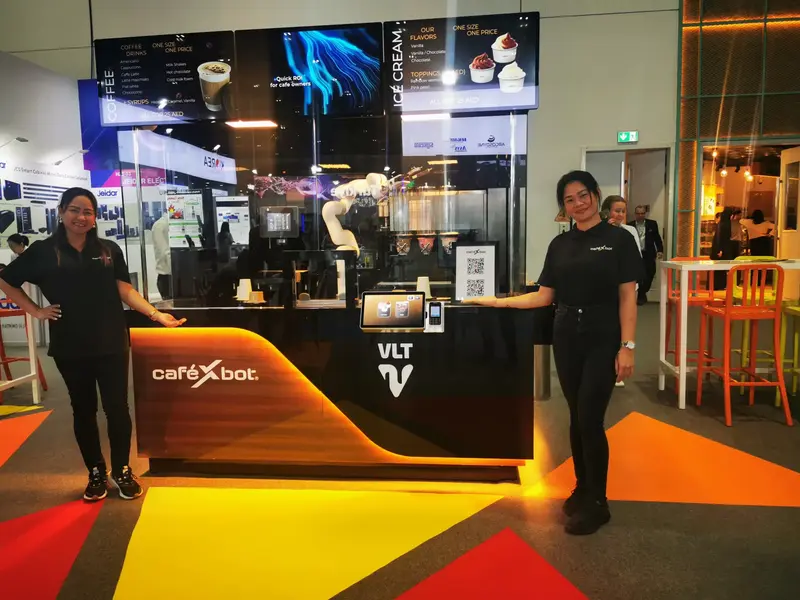
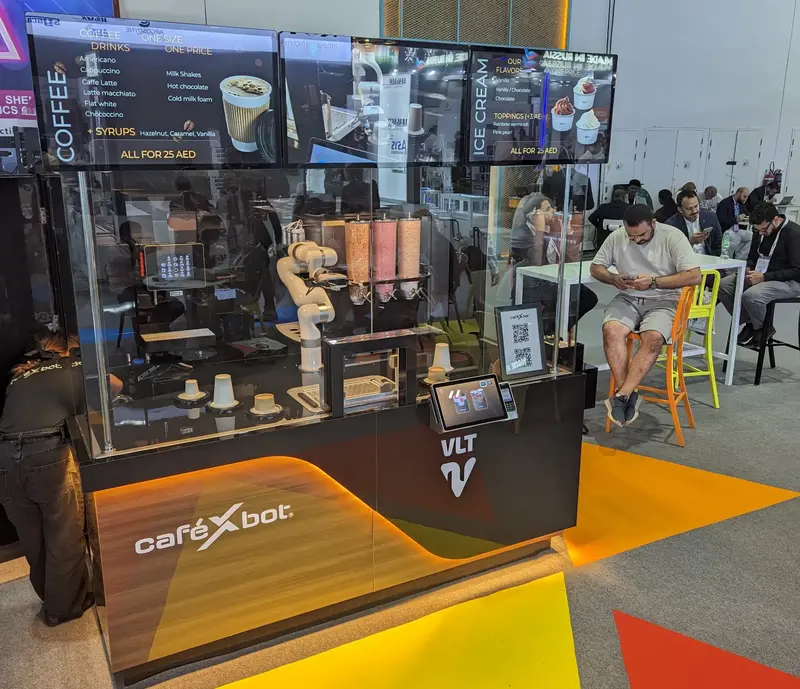
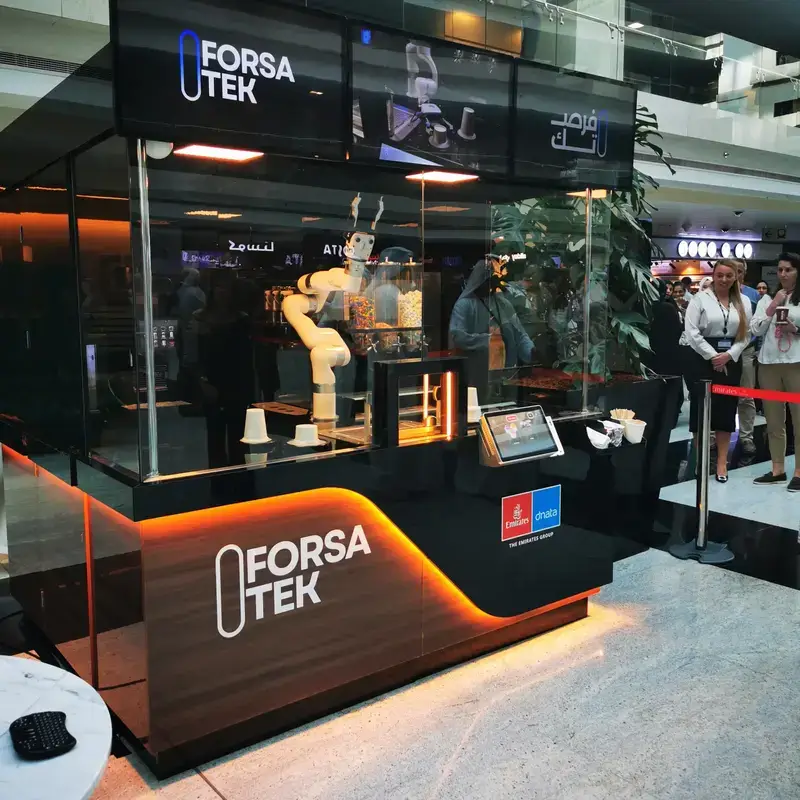
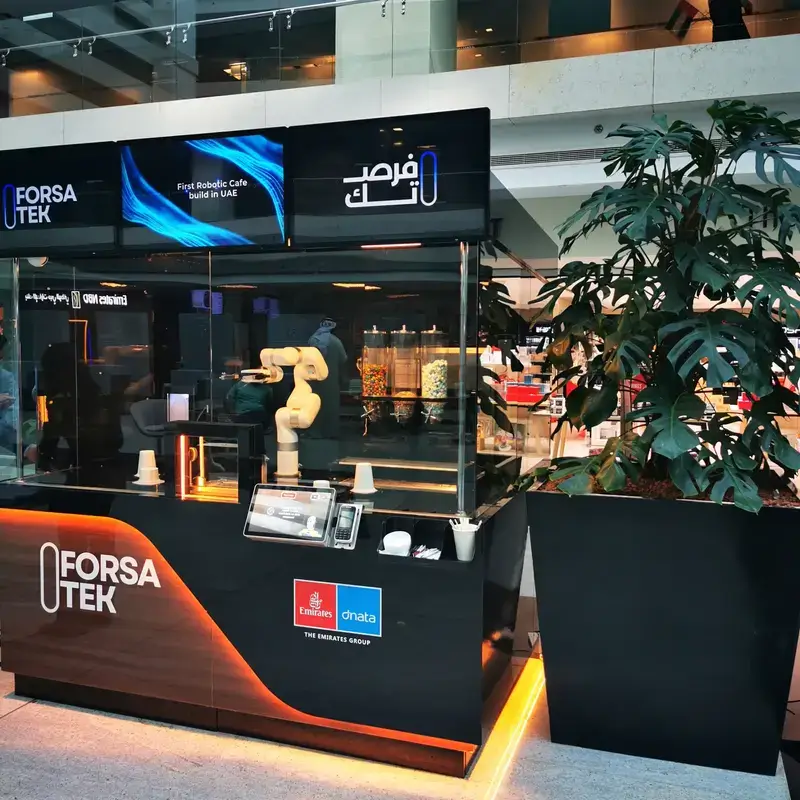
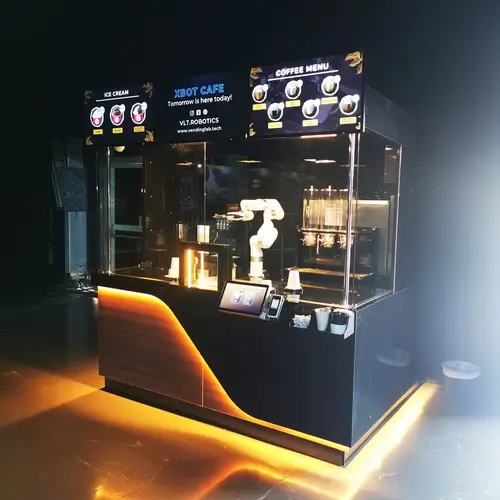
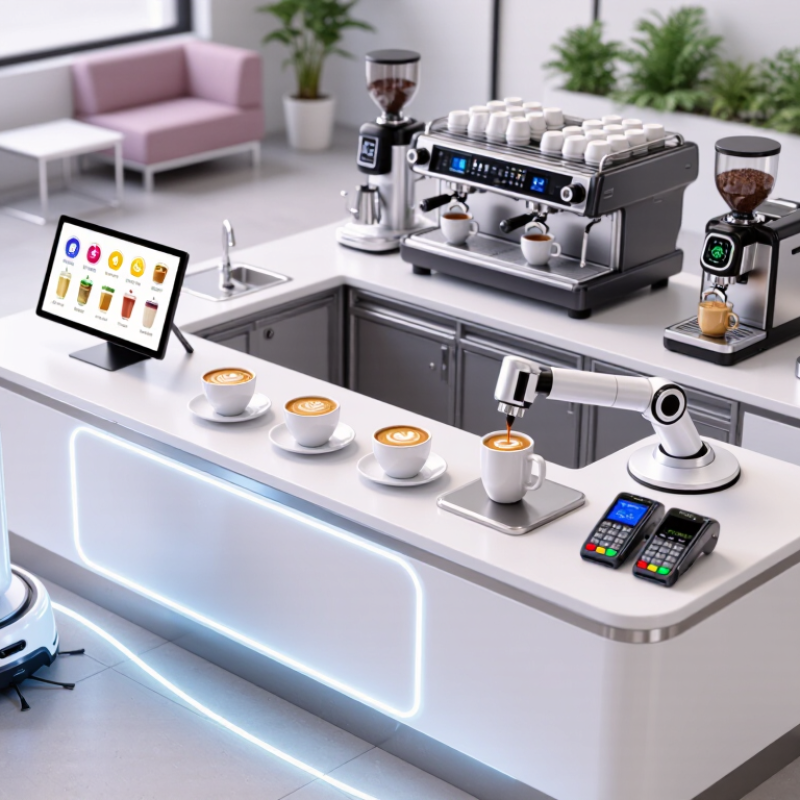
A robot cafe combines automated drink or food preparation with a customer-facing service area. It is more than a robot arm behind a counter. Ordering software sends each request to kitchen equipment, while sensors and control systems track ingredients, cups, and machine status. Staff still matter. They refill supplies, clean surfaces, check orders, and handle requests the system cannot interpret. Clear roles help the cafe run safely and consistently.
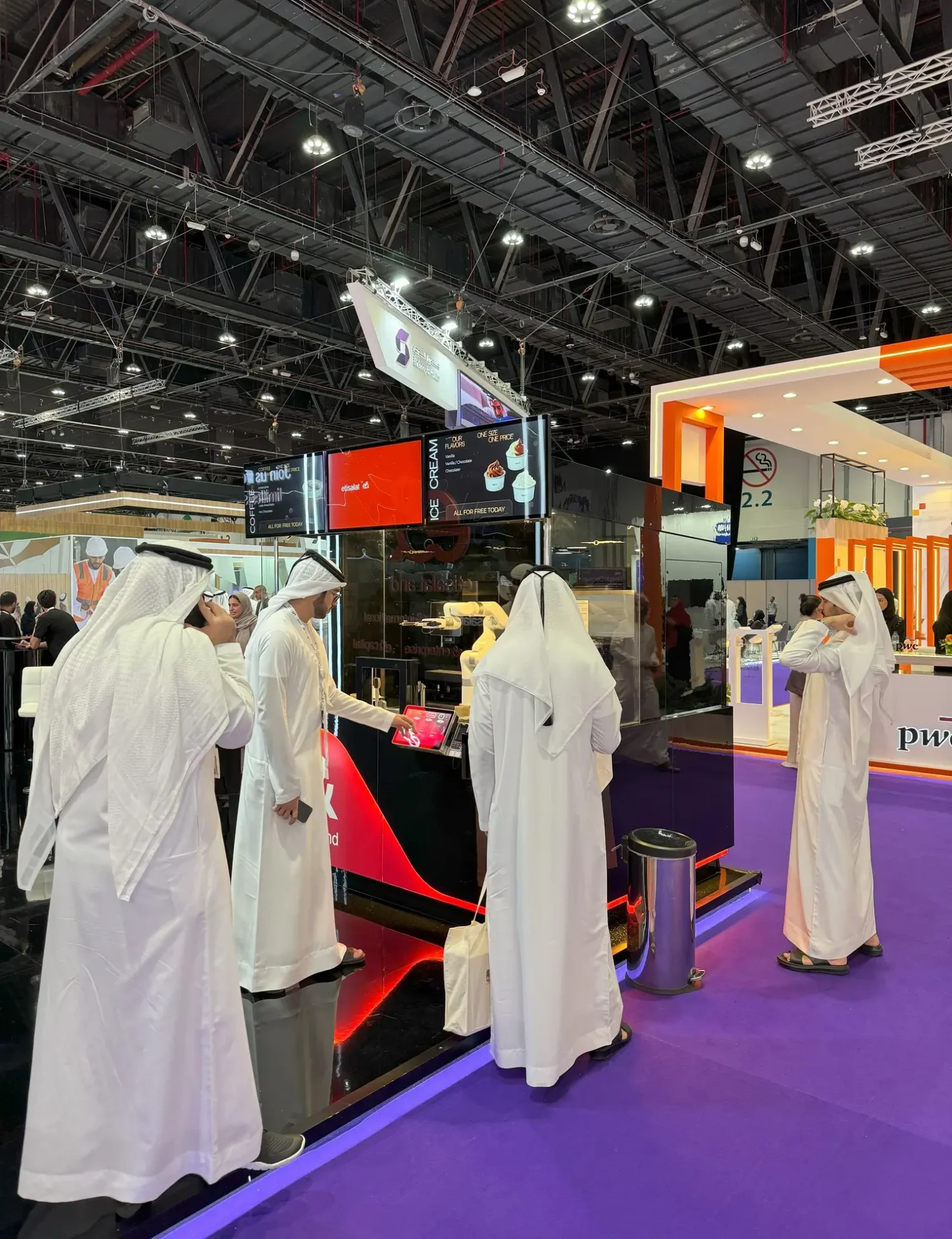
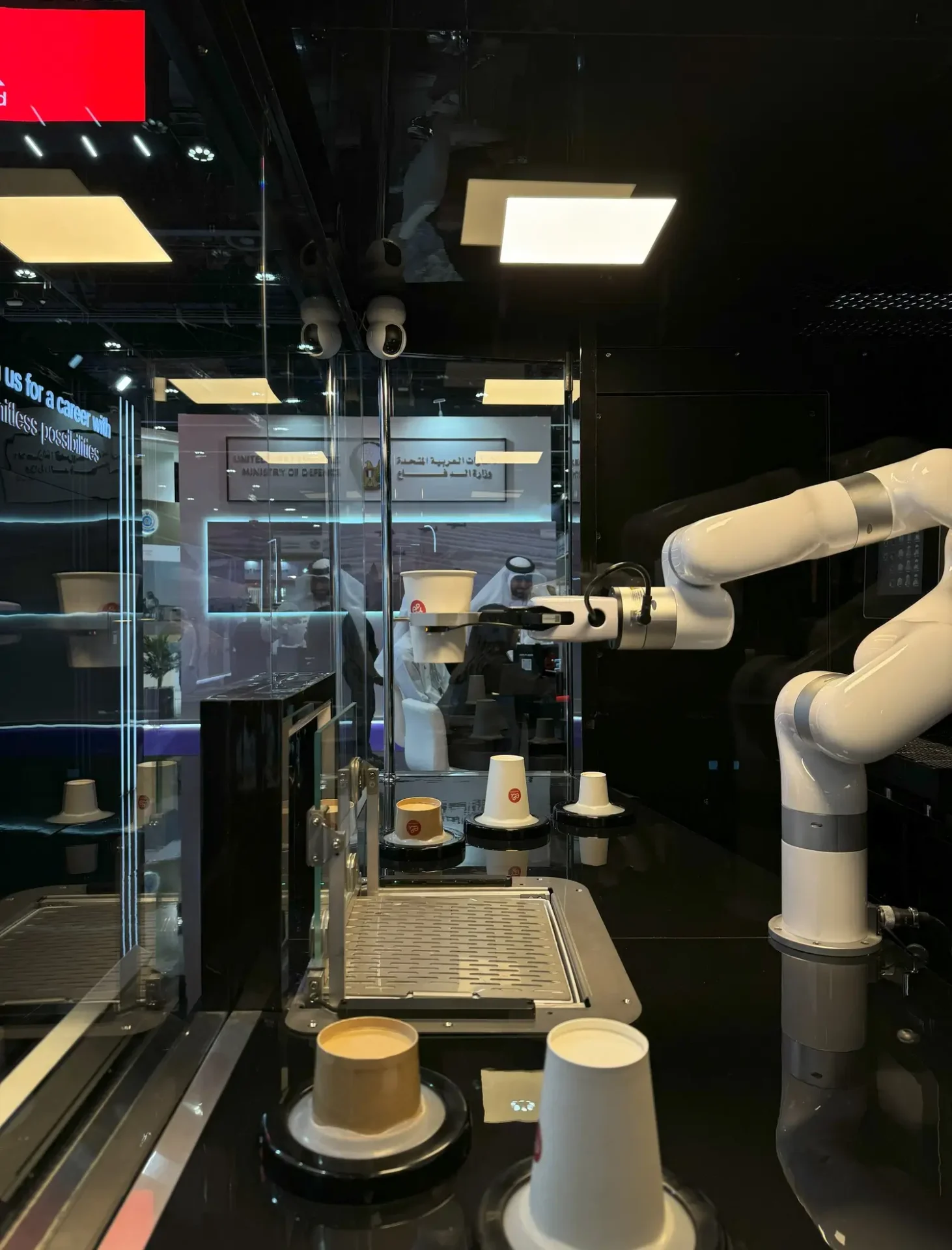
A typical visit starts at a touchscreen or ordering counter. The customer chooses a drink, size, and adjustments, then pays and receives a pickup number. Behind the counter, equipment may grind beans, heat milk, or pour a drink into a cup. A robotic arm can move the cup between stations, but its path must be carefully controlled. Sensors help detect misplaced items or movement near the work area. Small details count, including a cup sitting slightly off-center.
Not every order moves smoothly. A sensor may pause the process, or a custom request may need a staff member’s judgment. That can feel awkward. A dependable cafe explains delays, offers a clear way to ask for help, and keeps people available to resolve errors. Cleaning routines and regular equipment checks are also essential; automation does not make hygiene automatic. The best operating model uses robots for repeatable tasks while people oversee quality, exceptions, and the guest experience.
The Core Technologies Behind Robot Cafe Services
Robot cafes in 2026 will depend less on novelty than on coordinated, dependable technology. A robotic arm can steam milk, move a cup, and repeat a recipe, but only when sensors and software agree. Cameras help identify cup position and detect spills; temperature sensors track heating and refrigeration. Small errors matter. A misplaced cup can interrupt the whole sequence. Well-designed systems also pause safely when a tool is blocked or a machine needs attention.
Behind the counter, scheduling software connects orders, equipment, and staff. It can send drinks to the right station and flag a low supply of beans before service slows. Payment and ordering screens should be clear, with an easy way to request help. Not always. Automation can still misread a custom order, and a human needs room to correct it. For operators, useful measures include drink consistency, downtime, cleaning time, and how often staff intervene. A daily check of sensors and moving parts is less glamorous than a new robot, but often more valuable. Even then, real-world rushes expose gaps that a quiet test shift may miss.
What Are the Top Robot Cafe Trends for 2026?
Core technologies are moving toward precise, sensor-guided control of brewing, milk steaming, and food holding. These reference temperatures show why temperature sensors and closed-loop automation matter in robot cafe services.
The espresso and milk values are representative midpoints of commonly used target ranges: 90–96°C for brew water and 55–65°C for steamed milk. Cold holding at or below 5°C and hot holding at or above 57°C are FDA Food Code thresholds. Actual recipes and local food-safety requirements may vary. Sources: FDA Food Code 2022; Specialty Coffee Association brewing guidance.
How Robot Cafes Are Changing Food and Beverage Service
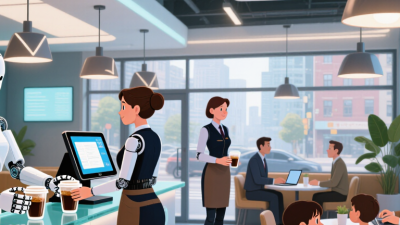
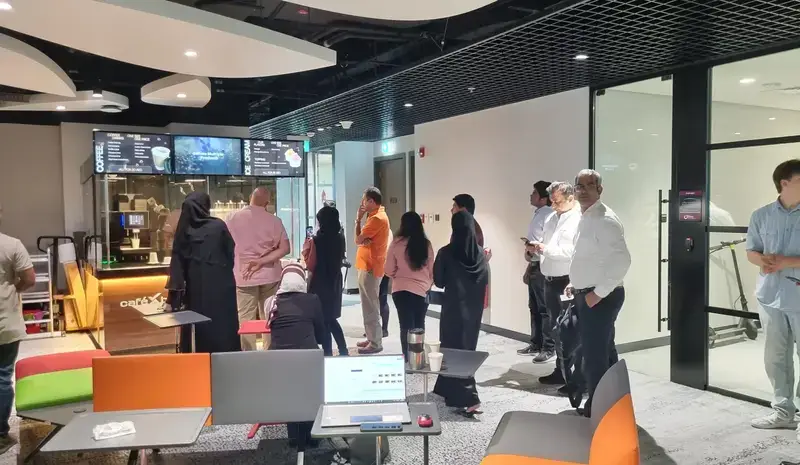
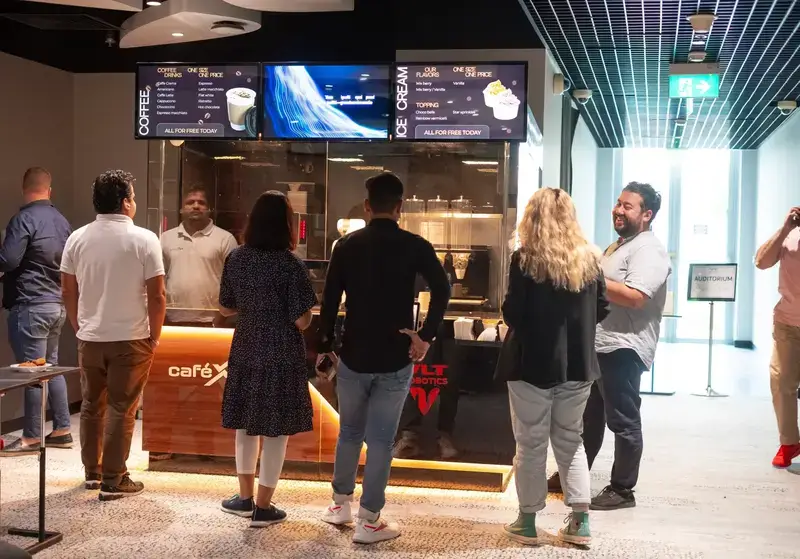
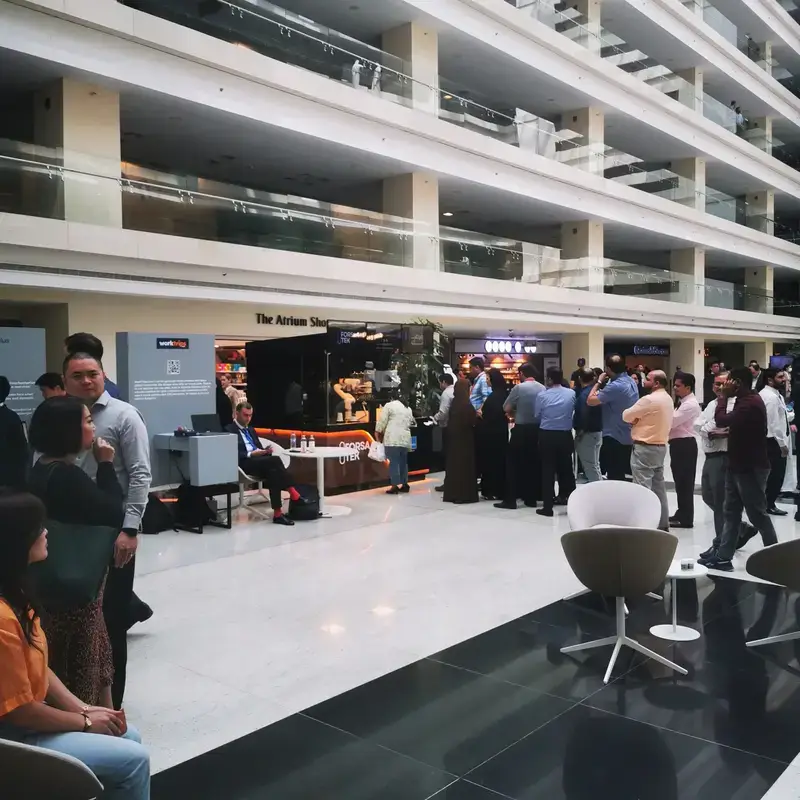
Robot cafes in 2026 are moving beyond novelty toward practical, everyday service. Automated systems can grind beans, steam milk, and deliver drinks along a marked counter route. A customer may watch a cup pause beneath a dispenser before a robot arm places it on the pickup shelf. The appeal is simple: steady preparation and shorter queues during busy periods. But speed is not the whole experience.
More cafes are combining kiosks, mobile ordering, and staff support. Clear screens can help customers adjust sweetness, milk, or serving size without repeating a request at the counter. Sensors and timed cleaning routines may also help teams monitor equipment and keep work areas orderly.
They do not replace careful cleaning or food-safety checks. People still need to inspect ingredients, respond to allergies, and handle unusual orders. Technology helps, but it cannot read every situation.
The strongest service model may be a shared one. Robots handle repetitive tasks, while staff explain unfamiliar menu options, solve order problems, and keep the room welcoming. Small details matter: a clear pickup light, a reachable counter, and a quiet alert can prevent confusion. Not always. Machines can jam, speech recognition can miss a word, and a crowded cafe can feel less personal. Operators should test systems with real customers and revise them when the experience falls short.
The Leading Robot Cafe Trends Shaping 2026
Robot cafes are shifting from novelty counters toward practical, mixed-service spaces. The International Federation of Robotics reported that professional service robot sales rose 30% in 2023, reaching nearly 205,000 units. That growth points to wider adoption, though it does not guarantee a smooth cafe experience. Expect robots to handle repeatable tasks, such as carrying drinks, while staff manage questions, allergies, and unexpected delays. The handoff can still feel awkward. A warm human greeting matters.
Personalization and compact automation will shape the next wave. Customers may order at a screen, choose sweetness levels, and track a drink’s progress without waiting at a crowded counter. The National Restaurant Association’s 2024 State of the Restaurant Industry report found that 76% of operators said technology gives them a competitive edge. But speed is not the only measure of good service. A screen that is hard to use can turn convenience into friction. Cafes will need clear menus, accessible ordering options, and staff ready to step in.
Tips: Test the full customer journey during busy hours. Check whether robot routes avoid queues, spills, and strollers. Keep a human fallback for payment or order errors. Small failures reveal what needs work.
Key Challenges and Considerations for Robot Cafes
What Are the Top Robot Cafe Trends for 2026?
Key Challenges and Considerations for Robot Cafes
Robot cafes may become more visible in 2026, especially through automated ordering, robotic drink preparation, and compact service counters. Yet impressive movement does not guarantee a better customer experience. A machine can pour coffee precisely, but it may struggle with unusual requests, crowded queues, or a spilled drink.
Reliability remains a central concern. Operators should test robots during breakfast rushes, not only in quiet demonstrations. Sensors need regular cleaning, software requires updates, and staff must respond when systems stop unexpectedly. Small failures matter. A five-minute delay can frustrate a customer waiting before work. Clear maintenance records and accessible manual controls can reduce operational risk.
Human involvement still deserves careful planning. Customers may need help with allergies, payment errors, or confusing instructions. Staff should understand the equipment well enough to solve basic problems without waiting for remote support. Safety barriers, temperature monitoring, and privacy-conscious data handling also require ongoing review. Automation can lower repetitive labor, but it may create new technical jobs and training costs. The business case is not always obvious. A less automated layout could sometimes serve people faster, feel warmer, and cost less to maintain.
What Are the Top Robot Cafe Trends for 2026? — Key Challenges and Considerations for Robot Cafes
Qualitative planning outlook, not a market-share forecast. Trends describe areas operators may evaluate; outcomes depend on venue, menu, equipment, and local requirements.
| Trend to Watch | Operational Opportunity | Key Challenge or Consideration | Useful Measure | Relevant Reference |
|---|---|---|---|---|
| Task-focused automation | Automating repeatable steps—such as dispensing, drink preparation, or moving orders—can make selected workflows more consistent. | Robots work within defined capabilities and may need staff support for custom orders, exceptions, replenishment, and cleaning. | Order completion time; order accuracy; staff interventions per shift. | Review workplace automation hazards in OSHA’s robotics resources. |
| Human–robot teamwork | Staff can focus on hospitality and exception handling while machines assist with predictable or repetitive tasks. | Work areas, handoffs, emergency stops, and staff training should be designed around safe interaction—not assumed to be safe by default. | Near misses; task handoff time; staff training completion. | See OSHA guidance on robotics and workplace safety. |
| More flexible menus and workflows | Configurable recipes and equipment may support menu changes without redesigning the entire service process. | Each added ingredient or recipe can increase setup, calibration, inventory, allergen-control, and cleaning requirements. | Menu changeover time; ingredient waste; recipe-related order errors. | The FDA Food Code provides a model for retail food safety practices; local rules apply. |
| Food safety and sanitation built into automation | Clear cleaning procedures and equipment designed for accessible sanitation can help teams manage food-contact surfaces consistently. | Robotic components do not remove the need for food-safety controls, cleaning records, temperature management, or staff oversight. | Cleaning-log completion; temperature-record compliance; sanitation audit findings. | Consult the FDA Food Code 2022 and applicable local health requirements. |
| AI-assisted ordering and personalization | Digital ordering tools may help present options, capture preferences, and route orders through a service workflow. | Operators should address incorrect recommendations, clear disclosure, data minimization, privacy, and a practical human-support option. | Order correction rate; customer complaints; amount of personal data collected. | Use the NIST AI Risk Management Framework as a voluntary risk-management resource. |
| Connected equipment and remote monitoring | Equipment status alerts can help teams identify faults, low supplies, or maintenance needs sooner. | Network outages, software updates, access controls, and vendor support can affect operations; a manual service fallback is important. | Unplanned downtime; mean time to repair; unresolved alerts. | The NIST Cybersecurity Framework offers a voluntary approach to managing cybersecurity risk. |
| Reliability and maintainability as selection criteria | Planning for preventive maintenance and readily available service support can reduce disruption to daily service. | Real-world performance depends on usage, cleaning, wear, parts availability, and staff procedures—not just advertised cycle times. | Availability during service hours; repeat faults; maintenance hours per operating week. | Track results in the cafe’s own operating environment; equipment performance can vary by deployment. |
| Inclusive service design | Combining self-service technology with accessible interfaces and staff assistance can serve customers with different needs. | Touchscreens, queues, payment steps, and robot interactions may create barriers if accessible alternatives are not provided. | Accessibility review findings; assistance requests; completion rate across ordering methods. | For U.S. facilities, consult the 2010 ADA Standards for Accessible Design. |
| Practical cost and sustainability evaluation | Tracking energy, consumables, waste, and maintenance alongside labor can give a more complete view of operating performance. | Automation does not guarantee lower total cost or environmental impact; results depend on utilization, equipment life, energy use, and replacement needs. | Energy per order; food and packaging waste; total operating cost per completed order. | Compare measured results over time against the cafe’s baseline and operating conditions. |
Related Posts
-
Why Are Robot Cafes a Smart Global Investment?
-
2026 Best Robot Coffee Barista for Global Buyers?
-
Mastering the Art of Coffee: A Step-by-Step Guide to Using Your Robotic Barista Coffee Machine
-
Unlocking the Future of Coffee Automation with Best Coffee Robot Barista Trends for 2025
-
Comprehensive Insights into 7 Key Features of Robot Coffee Vending Machine for Global Buyers
-
2026 Top Robot Coffee Maker Features You Need to Know?